Buying land in Oklahoma is one of the most appealing real estate decisions available — and one of the most frequently misunderstood. Wide open acreage, rural homestead potential, investment plays, and residential lot purchases all fall under the "buying land" category, but they operate under very different rules, carry very different risks, and require very different due diligence than purchasing a home.
Oklahoma land buyers who don't understand what they're getting into before they make an offer frequently encounter surprises: mineral rights they didn't know were severed, access easements that don't exist, zoning that prohibits their intended use, or financing that falls through because raw land isn't treated like a home loan.
Here's what you actually need to know before buying land in Oklahoma.
Types of Land Purchases in Oklahoma
Not all land transactions are the same. Understanding which type you're purchasing shapes everything about the due diligence process.
Raw Undeveloped Land
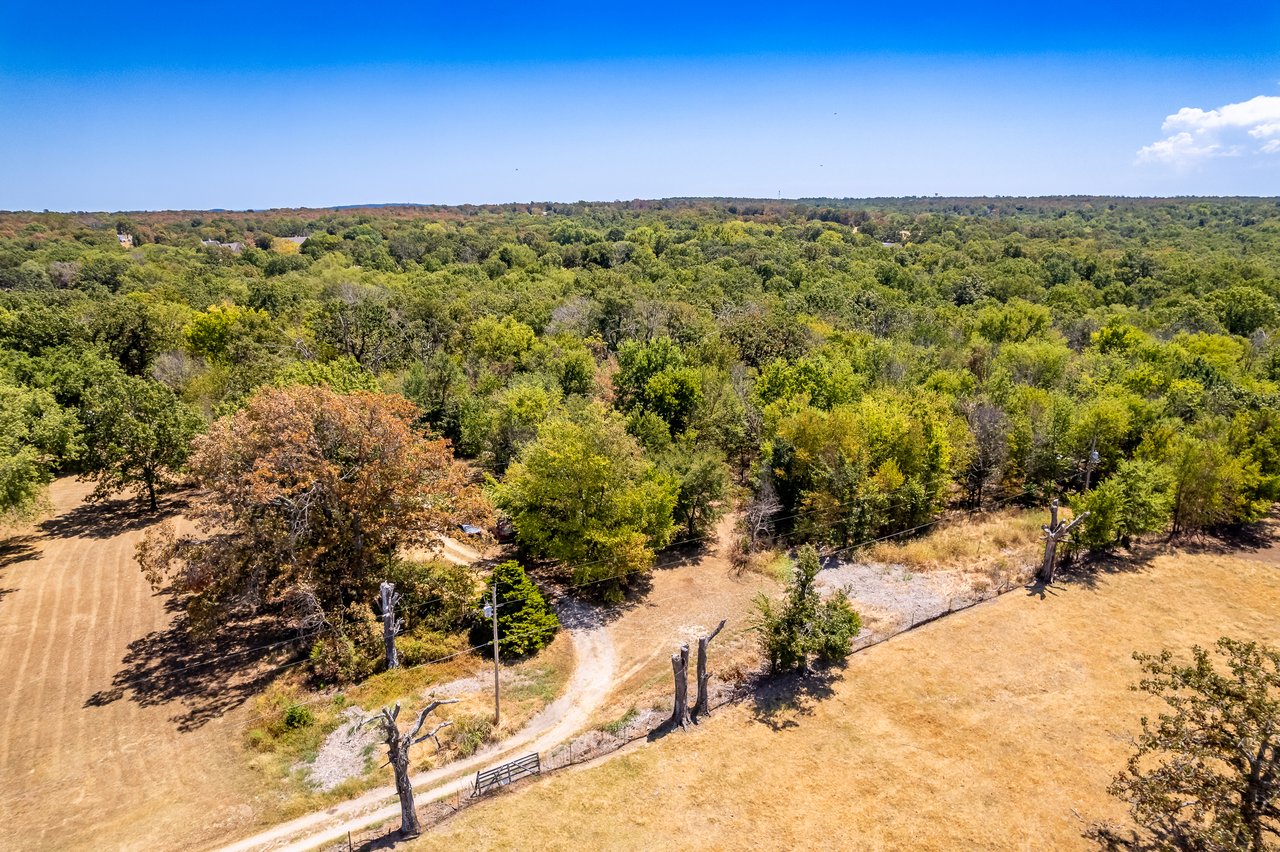
Unimproved land with no utilities, no structures, and no infrastructure. This includes rural acreage for agricultural use, hunting, future development, or investment holding. Raw land is the most complex purchase category — it requires the most due diligence and carries the most financing limitations.
Residential Lots
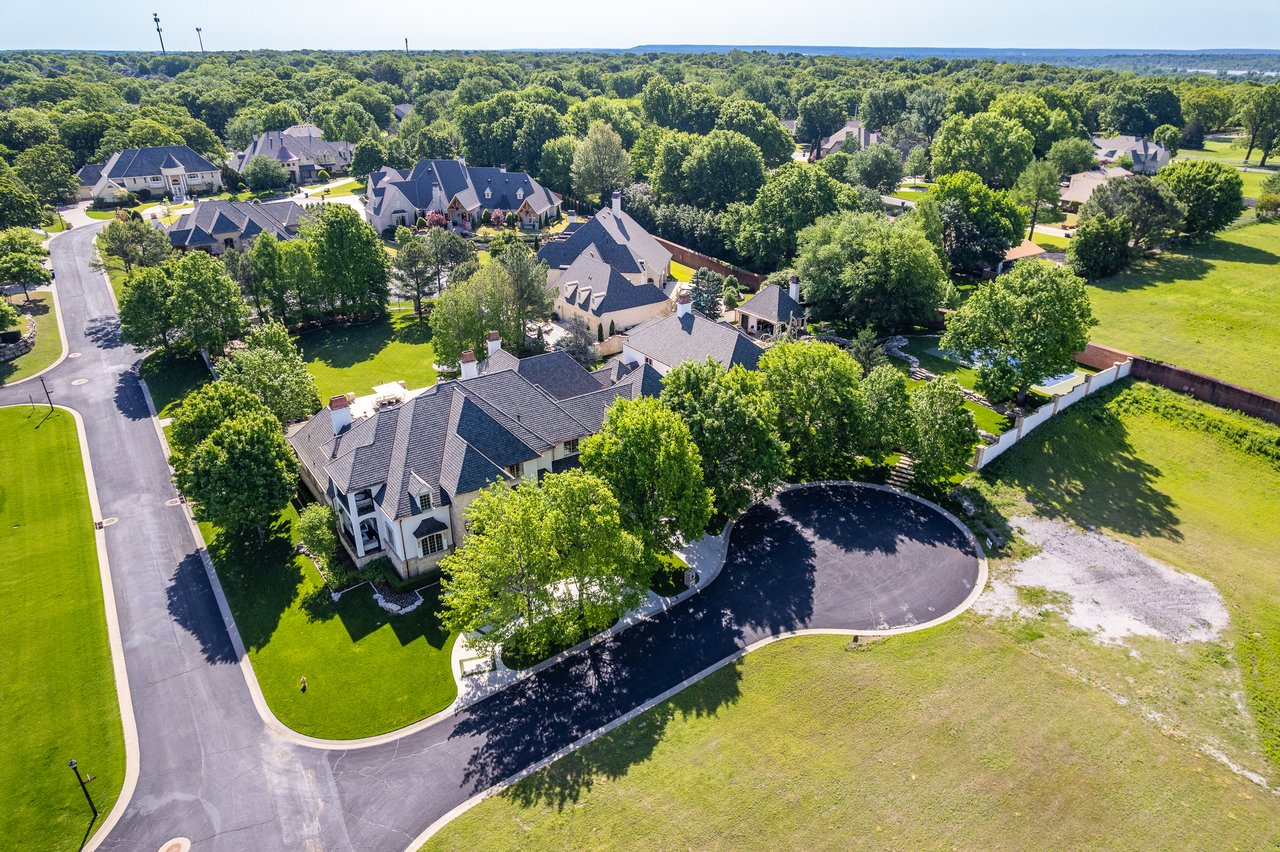
Platted lots in a subdivision or urban/suburban area intended for home construction. These typically have utility access (or proximity to utilities), defined setbacks, and HOA or deed restriction frameworks. Residential lots are generally simpler to evaluate and finance than raw land — but still carry specific considerations.
Agricultural Land
Working farmland or ranchland with existing agricultural use. Oklahoma has a strong agricultural land market — and specific considerations around water rights, agricultural exemptions, leases, and timber rights apply.
Commercial and Investment Land
Land purchased for commercial development, investment holding, or future sale. Zoning, access, utilities, and development feasibility are central to this analysis.
Each type requires a different due diligence approach. The sections below focus primarily on raw and rural land — the category where Oklahoma-specific factors are most distinctive — with notes on residential lots where relevant.
Oklahoma-Specific Land Considerations You Must Understand
Mineral Rights: The Oklahoma Variable
This is the most important Oklahoma-specific land concept and the one most buyers from other states — and many Oklahoma buyers — underestimate.
In Oklahoma, surface rights (what's above the ground) and mineral rights (what's below it) can be owned separately. This is called "split estate." It is extremely common in Oklahoma due to the state's oil and gas history — and it means the land you're buying may not include the rights to what's under it.
What this means practically:
If mineral rights are severed from the surface estate, the mineral rights owner has the legal right to access the surface for exploration and extraction purposes — even without your permission. An oil and gas company leasing from the mineral rights owner can come onto your land, drill, and operate. You as the surface owner have limited legal recourse to prevent it, though Oklahoma's Surface Damage Act (Title 52, O.S. Section 318.2 et seq.) provides some surface owner protections and requires compensation for surface damage.
Before buying any Oklahoma land:
- Determine whether mineral rights are included in the sale. Ask directly and review the deed description.
- If mineral rights are severed, understand who owns them, whether there are active leases, and whether there are producing wells on or near the property.
- A title search that includes the mineral estate — not just the surface — is essential. Many standard title searches focus on the surface estate only.
- If mineral rights are included, this adds value — but also requires evaluating whether there are existing leases that convey with the property.
Oklahoma's oil and gas history is long enough that many properties have fractional mineral ownership — the original mineral estate divided among heirs across multiple generations. A thorough mineral title examination by an Oklahoma attorney familiar with oil and gas matters is worth the cost.
Native American Land Considerations
Oklahoma's history includes significant Native American land interests — allotted lands, restricted trust lands, and fee simple lands with tribal history. Depending on the location and history of a parcel, there may be:
- Restricted allotments — land held in trust for tribal members that cannot be sold without Bureau of Indian Affairs (BIA) approval
- Tribal jurisdiction questions — particularly relevant in eastern Oklahoma following the McGirt v. Oklahoma Supreme Court decision and subsequent rulings, which have ongoing implications for jurisdiction in the historic Five Tribes territories
- Liens or encumbrances with tribal origins that appear in a thorough title search
Not every parcel in Oklahoma raises these questions — but many in eastern and northeastern Oklahoma do. A title company and attorney familiar with Oklahoma's tribal land history is essential for land purchases in these areas.
Water Rights in Oklahoma
Oklahoma follows the riparian rights doctrine for surface water — generally, landowners adjacent to streams and rivers have use rights to that water. But Oklahoma also has a permit system administered by the Oklahoma Water Resources Board (OWRB) for significant water use.
For rural land buyers, key water questions include:
- Domestic water source: Is there a rural water district serving the property, a functioning well, or is water supply an unresolved issue?
- Existing well: If there's a well on the property, when was it last tested? What is the water quality and output (gallons per minute)? Well condition and water quality testing before purchase is not optional.
- Pond and surface water: Many Oklahoma rural properties have stock ponds. Understand what rights you have to use surface water and whether existing ponds are properly permitted if their size requires it.
- Floodplain and drainage: Oklahoma's creek and river systems create significant floodplain areas. FEMA flood map review and, for larger parcels, elevation certificates are worth obtaining for any significant floodplain presence.
Zoning, Agricultural Exemptions, and Intended Use
Before purchasing land for any specific purpose, verify that the current zoning and land use regulations allow your intended use. In unincorporated Oklahoma counties, zoning may be minimal or absent — but municipalities and some counties have zoning ordinances that govern what can be built and how land can be used.
Agricultural exemption — Oklahoma's agricultural land use classification provides significant property tax advantages. Land actively used for agricultural purposes (farming, ranching, timber production) qualifies for lower assessed valuation than residential or commercial land. If you're purchasing land with existing agricultural exemption status, understand what's required to maintain it — and what happens to your tax bill if you don't.
Deed restrictions and covenants — some rural and suburban Oklahoma land is subject to deed restrictions that run with the property and limit how it can be used. These are separate from zoning and may be more restrictive. A title search surfaces recorded deed restrictions, but reading them carefully is your responsibility.
Access and Easements
Landlocked parcels — land with no legal access to a public road — are surprisingly common in Oklahoma's rural land market. Before purchasing any rural parcel, confirm:
- Legal access: Does the property have deeded road frontage on a public road, or does it rely on an easement across a neighboring property for access?
- Easement documentation: If access is via easement, is it recorded? Is it a deeded easement or an informal arrangement that could be challenged?
- Easement quality: A recorded easement for access is valuable. An easement across a property owned by a hostile neighbor is a legal right that may require enforcement. Understand the practical reality, not just the legal right.
- Private road maintenance: Rural access roads may be privately maintained — meaning you and neighboring property owners share maintenance responsibility. Who maintains the road and at what cost?
In Oklahoma, landlocked property owners may petition the district court for a statutory easement of necessity under Oklahoma law — but this is a legal process, not a guarantee. Don't buy landlocked land assuming you'll resolve access later.
Utility and Infrastructure Considerations
Before raw land can support a home or structure, utilities must be available or brought to the site. For rural Oklahoma land, this means evaluating:
Electricity: Rural Electric Cooperatives (RECs) serve much of Oklahoma's rural areas — but connection fees and line extension costs can be significant for parcels far from existing service. Get an actual quote from the relevant cooperative before purchasing.
Water: Rural water districts serve many Oklahoma rural areas, but not all. Know whether the property is in a rural water district service area and what connection fees apply, or whether a well will be needed (and what drilling costs and water availability look like in the area).
Sewer/septic: Rural properties almost universally rely on on-site septic systems. Oklahoma's Department of Environmental Quality (ODEQ) regulates septic system installation. A soil percolation test (perc test) before purchase confirms whether the soil can support a conventional septic system — and what type of system will be required. Failing perc tests in areas with clay-heavy soils are not uncommon and can significantly affect a parcel's buildability.
Natural gas: Propane is common in rural Oklahoma where natural gas pipelines don't run. Understand your fuel options before purchasing if heating source matters.
Internet/cell service: For buyers planning to work remotely from rural Oklahoma land, connectivity matters. Cell service and broadband availability vary significantly across rural Oklahoma — verify actual service at the property, not just what coverage maps suggest.
Financing Land in Oklahoma: What's Different
Land financing is fundamentally different from home financing, and buyers accustomed to residential mortgage terms are often surprised.
Conventional Mortgage Lenders Don't Finance Raw Land
Standard residential mortgage lenders — the ones offering 30-year fixed FHA, VA, and conventional loans — generally do not finance raw, unimproved land. Land loans are a specialty product.
Land Loan Options in Oklahoma
Farm Credit Institutions: Oklahoma is served by Farm Credit of Enid and other Farm Credit System lenders who specialize in agricultural and rural land financing. These lenders understand Oklahoma land, have competitive rates for qualified buyers, and can finance rural acreage that conventional lenders won't touch.
Oklahoma lenders with land loan programs: Many community banks, credit unions, and agricultural lenders in Oklahoma offer land loans with terms tailored to rural property purchases.
Typical land loan terms:
- Down payment: 20–35% (higher than residential mortgages)
- Interest rates: Typically higher than residential mortgage rates
- Loan terms: Often 10–20 years rather than 30
- Amortization: May include balloon payment provisions
Seller financing: In rural Oklahoma land transactions, seller financing is more common than in residential sales. Many landowners — particularly farmers and ranchers selling retirement acreage — prefer the income stream of a seller-financed note over a lump sum. Seller-financed land transactions are a legitimate and often favorable option, but require careful documentation and clear terms on interest rate, amortization, and payoff.
USDA Farm Service Agency (FSA) loans: The FSA provides land purchase loans for beginning farmers and ranchers with limited resources. These are targeted at agricultural use and have specific eligibility requirements, but provide access to favorable terms for qualifying buyers.
Residential Lot Financing
Platted residential lots in developed subdivisions are somewhat easier to finance — some lenders offer lot loans with terms closer to construction loans, and some homebuilders offer lot financing as part of a construction package. Terms are still typically less favorable than finished home mortgages.
Due Diligence Checklist for Oklahoma Land Purchases
Before closing on any Oklahoma land purchase, verify:
- Title search — including mineral estate history, not just surface
- Survey — a current survey confirming boundaries, acreage, and any encroachments
- Mineral rights status — included or severed; existing leases or producing wells
- Native American land history — relevant for eastern/northeastern Oklahoma parcels
- Legal access — deeded road frontage or recorded easement confirmed
- Zoning and permitted uses — verify your intended use is allowed
- Deed restrictions — review any recorded covenants or restrictions
- Utility availability — electricity, water, sewer/septic feasibility, natural gas, internet
- Perc test — if building is planned and the parcel hasn't been tested
- Water source — well condition and water quality testing if applicable
- Floodplain status — FEMA flood map review for any significant floodplain areas
- Agricultural exemption status — current status and requirements to maintain
- Environmental concerns — prior agricultural chemical use, underground storage tanks, ODEQ records
- Timber and other resource rights — if applicable
Frequently Asked Questions
Q: Do mineral rights convey automatically with land in Oklahoma?
Not necessarily. Mineral rights may or may not be included depending on the history of the property. Always ask specifically whether mineral rights are included in the sale, review the deed carefully, and conduct a title search that examines the mineral estate history. Assuming minerals convey without verification is one of the most common and costly mistakes in Oklahoma land purchases.
Q: Can I build a home on any rural land parcel in Oklahoma?
Not automatically. Buildability depends on zoning and land use regulations, septic system feasibility (perc test), access to utilities, and legal road access. A parcel that appears buildable may have one or more of these factors working against it. Complete due diligence — including a perc test and utility availability confirmation — before purchasing with the intent to build.
Q: How much land can I buy in Oklahoma for under $200,000?
It varies significantly by location. Rural eastern Oklahoma and the southeastern part of the state offer some of the most affordable acreage in the region — 20–50+ acres is achievable at that price point in some areas. Proximity to Tulsa, Oklahoma City, and other employment centers increases per-acre prices. Agricultural productivity, timber, water features, and improvements on the land all affect pricing. Working with a land-experienced agent who knows your target area gives you the most accurate read on current market conditions.
Q: Is a survey required when buying land in Oklahoma?
Not legally required in all cases, but strongly recommended for virtually any land purchase. A current survey confirms actual boundaries, acreage, and any encroachments or easements — and is far more reliable than the legal description in a deed for establishing what you're actually buying. For rural acreage especially, boundary disputes with neighbors are a real risk without a current survey.
Q: What is the Oklahoma Surface Damage Act and how does it protect landowners?
The Oklahoma Surface Damage Act (Title 52, O.S. Section 318.2 et seq.) requires oil and gas operators to negotiate with and compensate surface owners before conducting drilling or exploration activities on their land. It provides surface owners the right to compensation for actual surface damage, the right to negotiate the timing and terms of surface use, and recourse if operators don't comply. It does not give surface owners the right to prevent mineral development — but it does require fair compensation for surface impact.
Conclusion
Buying land in Oklahoma is one of the most rewarding real estate decisions available in the state — wide open acreage, genuine privacy, agricultural opportunity, and long-term investment value are all real possibilities. But the due diligence required is more extensive than a home purchase, the financing is more specialized, and the Oklahoma-specific factors — mineral rights, Native American land history, water rights, soil conditions — require specific knowledge to navigate correctly.
Go in informed, hire professionals who know Oklahoma land, and do the due diligence before you fall in love with a parcel. The land will still be there after the title search comes back clean.
Thinking About Buying Land in Oklahoma? MORE Agency Can Help You Navigate It.
Land transactions require agents who understand what to look for — mineral rights questions, access issues, utility feasibility, and the local market dynamics that determine whether a price is fair. MORE Agency works with land buyers throughout the Tulsa area and eastern Oklahoma, and can connect you with the specialists — surveyors, land attorneys, agricultural lenders — that a successful land purchase requires.
Contact MORE Agency to start the conversation about your land purchase goals.