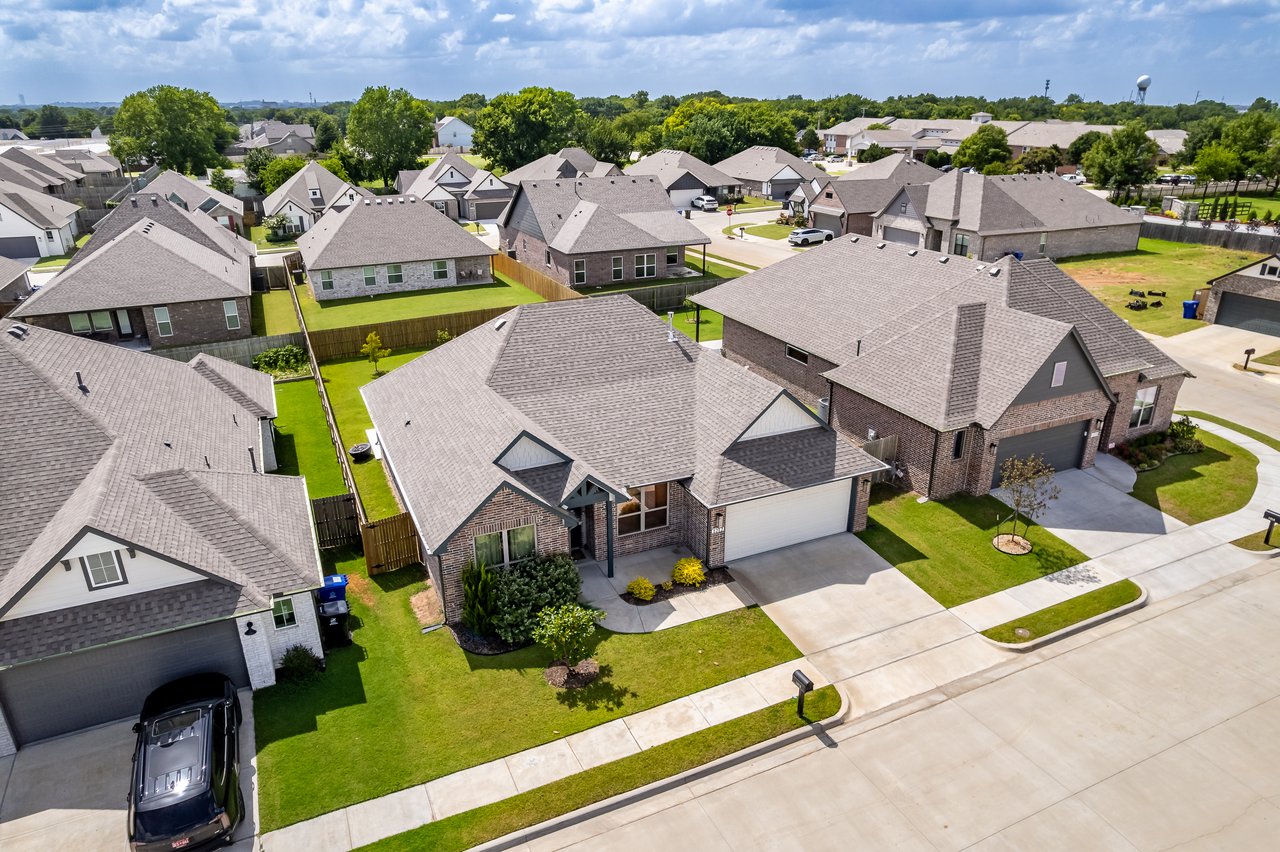
Oklahoma doesn't always make the first page of national retirement lists — but it probably should. For retirees who prioritize affordability, low taxes, genuine community, and a slower pace without sacrificing access to culture and healthcare, Oklahoma delivers in ways that coastal destinations simply can't match on cost.
The state has no tax on Social Security income. Property taxes rank among the lowest in the country. The cost of living sits well below the national average — and the median home price means your retirement dollar stretches further here than it would in Arizona, Florida, or the Carolinas.
This guide covers the best places to retire in Oklahoma in 2026 — from larger cities with full amenities to smaller towns with charm and quiet — along with what makes each one worth considering.
Why Oklahoma Is an Underrated Retirement Destination
Before diving into specific cities, it helps to understand why Oklahoma has become an increasingly attractive retirement option for people relocating from higher-cost states.
Low Cost of Living
Oklahoma consistently ranks in the bottom tier for cost of living nationally. According to Missouri Economic Research and Information Center data, Oklahoma's overall cost of living index is roughly 87–89 — meaning it costs about 11–13% less to live here than the national average. Groceries, utilities, transportation, and healthcare all trend lower than the national average.
For retirees on fixed incomes, that difference compounds over years and decades.
Favorable Tax Treatment for Retirees
Oklahoma exempts Social Security income from state income tax entirely. There is also an exemption for a portion of pension and retirement income — up to $10,000 per person (or $20,000 for married couples filing jointly) from private pensions, IRAs, and 401(k) distributions.
Property taxes are low. Oklahoma's effective property tax rate is among the lowest nationally, and seniors 65 and older may qualify for additional property tax relief through the Oklahoma senior valuation freeze program — which limits increases in the assessed value of your primary residence.
Year-Round Weather With Mild Winters
Oklahoma winters are generally mild compared to northern states. While there are occasional ice storms in some regions and extreme heat in summer, the climate is manageable and allows for year-round outdoor activity in much of the state.
Community Feel
Oklahoma retains a genuine small-town hospitality even in its larger cities. For retirees who want to feel part of a community — not lost in a sprawling metro — that cultural texture matters.
The Best Places to Retire in Oklahoma in 2026
1. Tulsa — Best Overall for Active Retirees
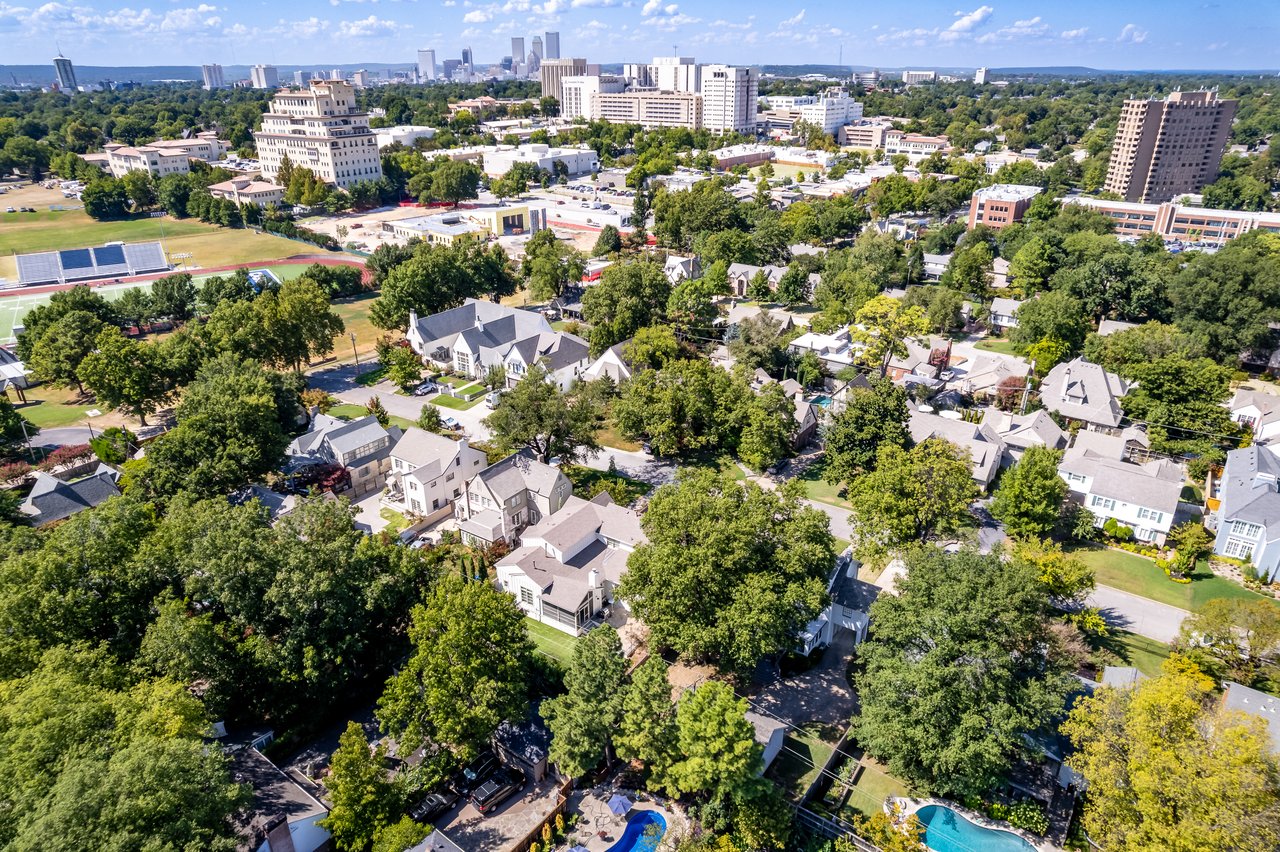
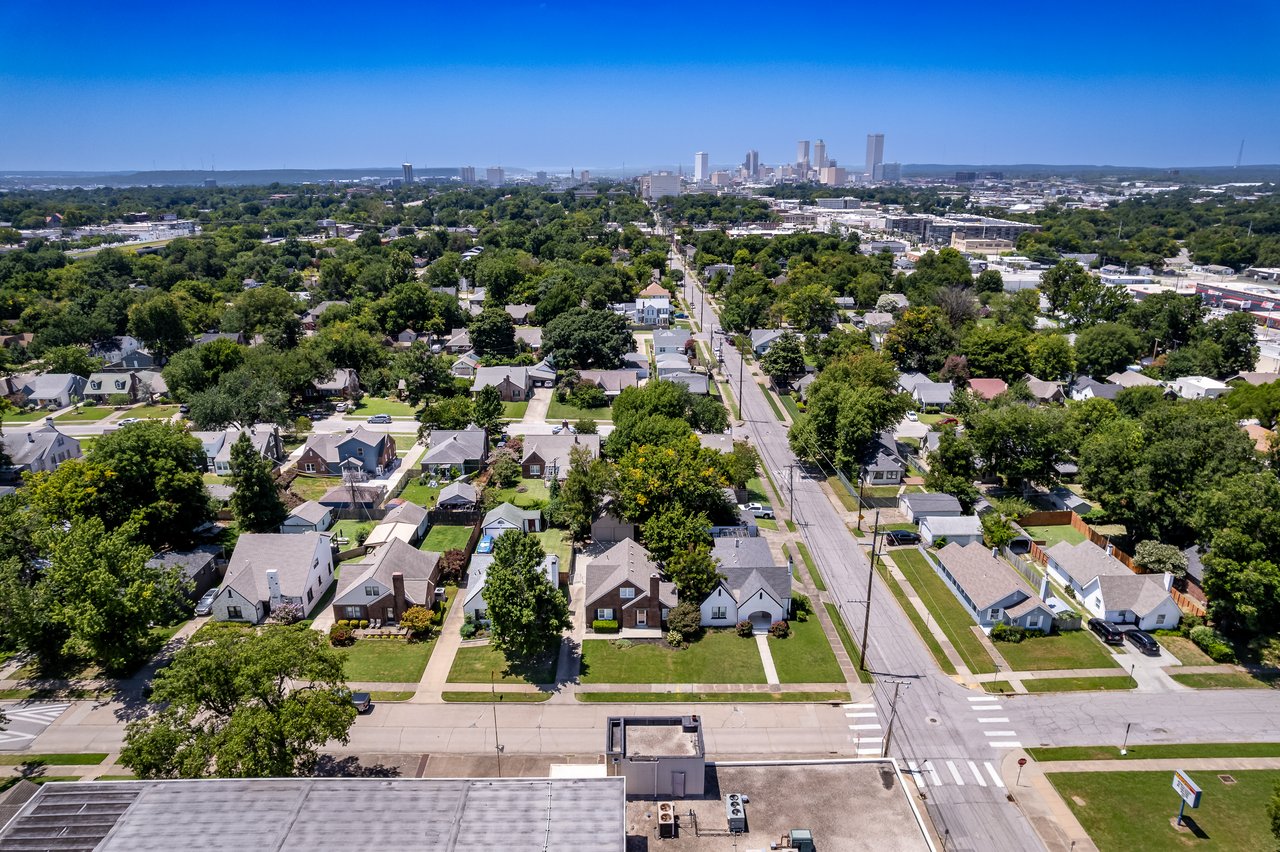
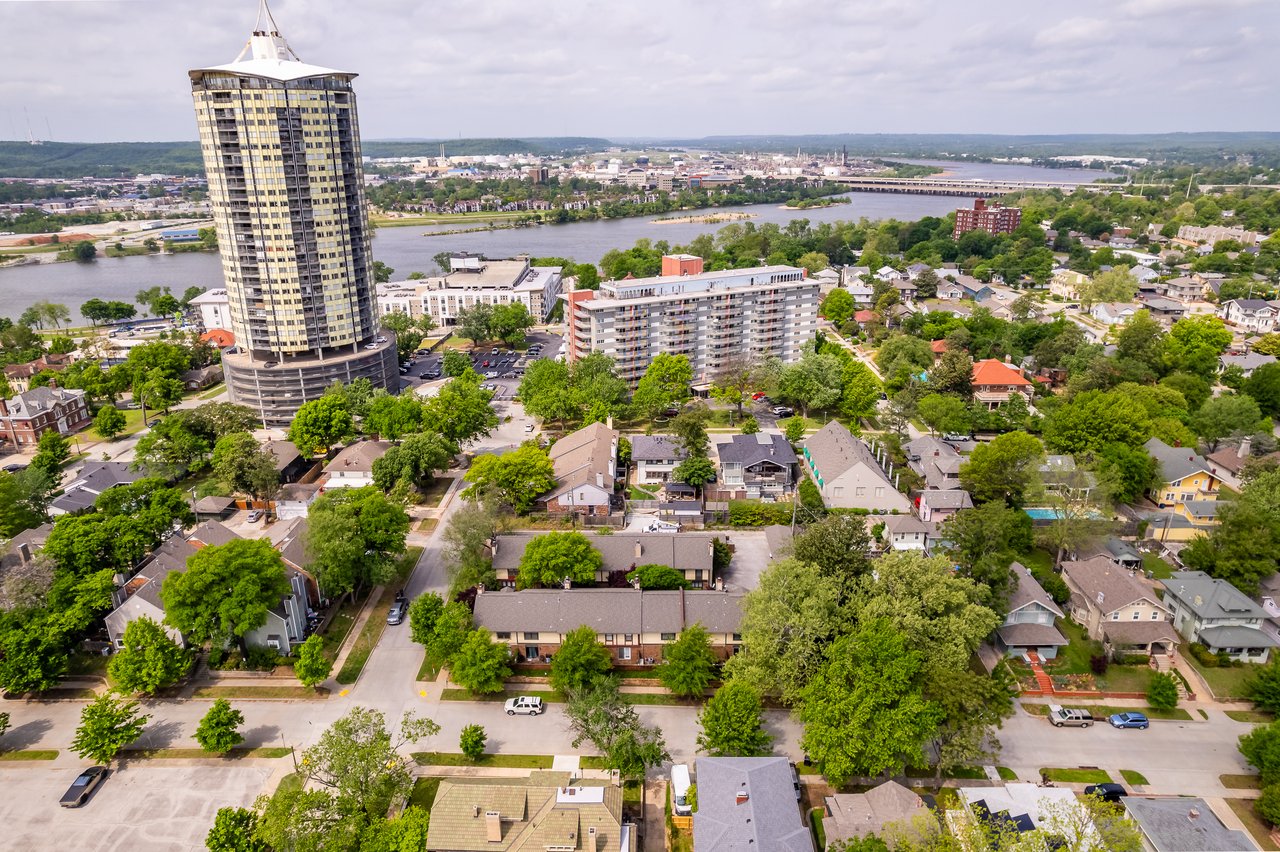
Tulsa is Oklahoma's second-largest city and arguably its most livable. The combination of arts infrastructure, outdoor amenities, healthcare access, affordable housing, and neighborhood character makes it a compelling full-service retirement destination.
Healthcare: Tulsa has a strong medical infrastructure — St. Francis Health System, Saint Francis Hospital South, Hillcrest HealthCare System, and the OU Health Tulsa campus provide access to specialists across virtually every field. For retirees with ongoing medical needs, this is significant.
Cost of Living: Tulsa's cost of living index is approximately 83–86 — substantially below the national average. Median home prices in desirable areas like Midtown, South Tulsa, and the Brookside neighborhood remain accessible compared to peer cities.
Neighborhoods for Retirees:
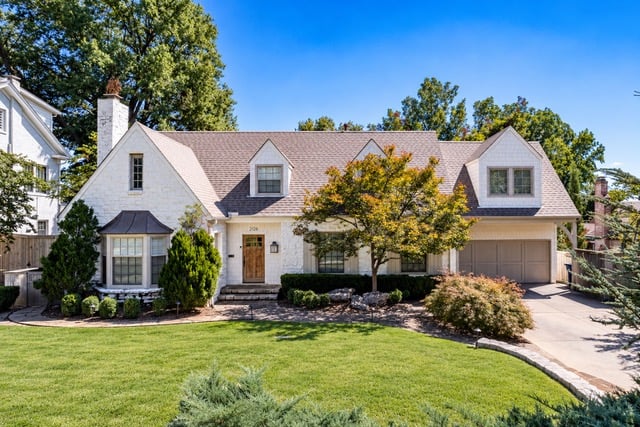
Midtown Tulsa — Walkable, established, with excellent dining, arts venues, and parks. Older homes with character alongside updated bungalows and condos. The Philbrook Museum, Woodward Park, and the Cherry Street and Brookside corridors are all walkable or a short drive.
South Tulsa — Newer development, large homes, excellent healthcare proximity (St. Francis hospital campus), strong retail infrastructure, and quiet suburban neighborhoods. Retirees who want low-maintenance living with easy access to amenities often settle here.
East Tulsa / Wagoner County fringe — More affordable entry points with access to Tulsa amenities. Areas near the Arkansas River offer trail access and scenic character.
Culture and Activities: Tulsa Opera, the Philharmonic, Gilcrease Museum, Philbrook Museum, the BOK Center for larger events, the River Parks trail system, and a genuine independent restaurant scene give Tulsa the cultural depth that smaller towns can't match.
Tulsa Remote: Tulsa launched the Tulsa Remote program in 2018 to attract remote workers — but the resulting influx of younger residents has added energy to Tulsa's food, arts, and social scene in ways that benefit everyone who lives here, including retirees.
2. Edmond — Best for Suburban Comfort and Safety
Edmond is a suburb of Oklahoma City with consistently high rankings for safety, schools, and livability. For retirees who want a clean, well-maintained community with excellent infrastructure and access to a major city, Edmond is a top choice.
Location: Edmond sits just north of Oklahoma City, with easy freeway access to OKC's medical centers, airport, cultural amenities, and shopping.
Healthcare: Edmond is home to Integris Health Edmond, and major OKC hospital systems — OU Health, Mercy, Integris Baptist — are a 20–30 minute drive. For serious medical needs, the OU Health Stephenson Cancer Center and OU Medical Center are within reach.
Cost of Living: Edmond is one of Oklahoma's pricier suburbs, but still well below national averages for comparable communities. Home prices trend higher than other Oklahoma markets — but quality of housing stock and neighborhood maintenance are correspondingly strong.
Character: Edmond has a well-kept, almost idyllic suburban quality — clean streets, maintained parks, strong local retail. The downtown Edmond area has grown with independent restaurants and shops, adding character to what was once a purely residential suburb.
Retirement Communities: Edmond has a strong inventory of active adult communities and independent living options that attract retirees from across Oklahoma and from other states.
3. Broken Arrow — Best Value Near Tulsa
Broken Arrow is Tulsa's largest suburb and the fourth-largest city in Oklahoma. For retirees who want proximity to Tulsa's amenities without Tulsa's prices — particularly in desirable neighborhoods — Broken Arrow offers a compelling alternative.
Cost: Home prices in Broken Arrow's established neighborhoods run below comparable Tulsa neighborhoods. Newer developments on the city's growing southern edge offer modern construction at accessible price points.
Infrastructure: Broken Arrow has its own strong retail, restaurant, and healthcare infrastructure — the Rose District in downtown BA has become a genuine destination with locally owned shops, restaurants, and events. St. Francis Hospital South sits at the Tulsa/Broken Arrow border and is effectively equally accessible.
Lifestyle: Quieter than Tulsa proper, with excellent parks, trails, and community events. Retirees who want a genuinely suburban pace with easy Tulsa access gravitate toward BA.
4. Bartlesville — Best Small City Retirement Option
Bartlesville, located about 45 miles north of Tulsa, is a small city of roughly 38,000 with an outsized cultural presence and an unusually affordable cost of living.
History and Character: Bartlesville was the home of Phillips Petroleum (now Phillips 66), and that corporate heritage funded cultural institutions that would be remarkable in a city three times its size — including the Price Tower (the only Frank Lloyd Wright skyscraper ever built), the Woolaroc Museum and Wildlife Preserve, and the Bartlesville Symphony Orchestra, one of the oldest continuously operating symphonies in Oklahoma.
Cost of Living: Extremely affordable. Median home prices in Bartlesville run well below Tulsa — retirees on fixed incomes can often purchase quality homes outright or with minimal mortgage.
Healthcare: Jane Phillips Medical Center provides local access, with Tulsa's full healthcare system within 45–60 minutes for specialist care.
Best For: Retirees who want small-town character and extreme affordability without sacrificing cultural engagement. Also popular with retirees who have outdoors interests — Woolaroc's wildlife preserve, Lake Hulah, and Lake Birch offer fishing and nature access.
5. Claremore — Best for History and Charm Near Tulsa
Claremore, the seat of Rogers County and birthplace of Will Rogers, sits about 25 miles northeast of Tulsa with an easy commute to Tulsa amenities while retaining genuine small-town character.
Culture: The Will Rogers Memorial Museum is a nationally significant institution. The historic downtown has invested in revitalization and has a genuine antique, arts, and restaurant scene. The Cherokee Casino Claremore provides entertainment options.
Housing: Very affordable. Retirees who sell homes in higher-cost states find that Claremore housing prices allow them to purchase quality homes outright or to significantly right-size their housing expenses.
Lake Access: Claremore Lake and Fort Gibson Lake (a short drive away) offer fishing, boating, and scenic outdoor access.
Healthcare: Claremore Indian Hospital serves the area, and Tulsa's medical infrastructure is a 30-minute drive.
6. Norman — Best for University Town Atmosphere
Norman, home of the University of Oklahoma, offers the intellectual and cultural atmosphere of a college town with Oklahoma's characteristic affordability and Southern hospitality.
University Benefits: OU's programming — lectures, performances, sporting events, museums including the Sam Noble Oklahoma Museum of Natural History and the Fred Jones Jr. Museum of Art — creates a cultural calendar that enriches life for retirees who value intellectual engagement.
Healthcare: OU Health has a significant presence in Norman, and Oklahoma City's full medical infrastructure is 20 miles north.
Community: Norman has a cosmopolitan edge by Oklahoma standards — international food, independent bookshops, a genuine arts scene — while retaining the friendliness and pace of an Oklahoma community.
Housing: Norman's housing market is competitive by local standards due to university demand, but still well below national averages.
7. Guthrie — Best for History Lovers on a Budget
Guthrie, Oklahoma's original capital city, is a remarkably preserved Victorian-era city about 30 miles north of Oklahoma City. For retirees who want affordable, characterful living with easy OKC access, Guthrie occupies a distinctive niche.
Historic Character: Guthrie's downtown contains one of the largest contiguous historic districts in the United States — thousands of Victorian-era brick buildings from the 1889 land run era that established Oklahoma Territory. Walking Guthrie's streets genuinely feels like stepping into a different era.
Affordability: Guthrie offers some of Oklahoma's most accessible prices for quality historic homes. Retirees with interest in restoration or historic properties find opportunities here that don't exist in larger markets.
Location: The Kilpatrick Turnpike provides easy access to the Oklahoma City metro, making Guthrie's OKC-dependent needs — major healthcare, airport, specialized shopping — manageable.
8. Muskogee — Best Affordable Option for Healthcare Access
Muskogee, located about 50 miles southeast of Tulsa, has made consistent investments in quality-of-life improvements and offers genuinely affordable living with access to both VA healthcare (the Jack C. Montgomery VA Medical Center is a significant facility) and regional hospital care.
VA Healthcare: The Jack C. Montgomery VA Medical Center makes Muskogee a particularly strong choice for veteran retirees. Full-service VA inpatient and outpatient care without the long commutes required in markets without a local VA facility.
Affordability: Muskogee is among Oklahoma's most affordable markets for real estate and general cost of living.
Lake Access: Fort Gibson Lake — one of Oklahoma's largest and most popular recreational lakes — is a short drive and offers fishing, boating, camping, and scenic beauty.
What to Look for When Choosing Your Oklahoma Retirement Location
Beyond specific cities, these are the factors to weigh when comparing retirement destinations in Oklahoma:
Healthcare proximity: Access to specialists, hospitals, and emergency care matters more with each passing year. Cities with strong hospital systems — Tulsa, Oklahoma City, and their suburbs — offer the most comprehensive access.
Climate preferences: Oklahoma's weather varies more than many realize. Northwestern Oklahoma sees more extreme winters; southeastern Oklahoma (the "Green Country" and Ouachita foothills) is milder, greener, and receives more rainfall. Decide whether you want Oklahoma's dry, flat western character or its more southern, wooded eastern personality.
Active adult communities: If you want the infrastructure of a planned retirement community — amenities, peers, maintenance-free living — focus your search on markets like Edmond, Broken Arrow, and Tulsa's south side, which have the strongest inventory of these options.
Outdoor interests: Fishing, boating, hiking, and hunting opportunities vary significantly by region. Eastern Oklahoma's lake country — Grand Lake, Fort Gibson Lake, Tenkiller, and Lake Eufaula — is a major draw for retirees with outdoor priorities.
Family proximity: For many retirees, the most important factor is being near adult children and grandchildren. Oklahoma's geography is compact enough that multiple cities within the state are within driving distance of each other.
Frequently Asked Questions
Q: Is Oklahoma a tax-friendly state for retirees?
Yes. Oklahoma exempts Social Security income from state income tax entirely and provides a retirement income exemption of up to $10,000 per person ($20,000 for couples) on pension, IRA, and 401(k) distributions. Property taxes are low, and seniors 65 and older may qualify for the senior valuation freeze program that limits property tax increases.
Q: What is the cost of living for retirees in Tulsa compared to other cities?
Tulsa's cost of living index runs approximately 83–86 on a scale where 100 equals the national average — meaning it costs roughly 14–17% less to live in Tulsa than the national average. Housing, in particular, runs significantly below national averages. For comparison, Phoenix, Arizona runs approximately 99 (near national average), and Denver, Colorado runs approximately 113.
Q: Are there good healthcare options for retirees in smaller Oklahoma cities?
Major Oklahoma cities — Tulsa and OKC — have comprehensive healthcare infrastructure including specialized cancer centers, cardiac programs, and major research hospitals. Smaller cities like Bartlesville, Claremore, and Muskogee have local hospital access with Tulsa or OKC within 45–60 minutes for specialized care. Veteran retirees should note that Muskogee has a significant VA Medical Center.
Q: What Oklahoma cities are best for retirees who want outdoor activities?
Eastern Oklahoma offers the most outdoor variety — Grand Lake, Tenkiller Lake, Fort Gibson Lake, and the Ouachita foothills provide fishing, boating, hiking, and camping. Claremore and Muskogee put retirees within easy reach of this region. Bartlesville has Woolaroc Wildlife Preserve and access to northern Oklahoma lakes.
Q: Can I find active adult (55+) communities in Oklahoma?
Yes. Edmond, Tulsa's south side, Broken Arrow, and Norman have the strongest inventory of active adult and independent living communities. As the market grows, new developments have expanded options in suburbs throughout the OKC and Tulsa metros.
Conclusion
Oklahoma offers retirees something increasingly rare: genuine affordability combined with real quality of life. Low taxes, accessible housing, strong healthcare in its major cities, and the warmth of genuinely welcoming communities make it a compelling destination for retirees relocating from higher-cost states — or for lifelong Oklahomans looking to find the right place to settle in retirement.
Whether you want the full-service amenities of Tulsa, the suburban polish of Edmond, the small-city charm of Bartlesville, or the Victorian character of Guthrie, Oklahoma has a retirement destination that fits.
Planning a Move to Oklahoma for Retirement? MORE Agency Can Help.
Relocating for retirement is one of the biggest decisions you'll make — and the right real estate guidance makes it significantly smoother. The agents at MORE Agency specialize in helping retirees and relocating buyers find the right home in the right Oklahoma community, with local expertise that national platforms simply can't match.
Contact MORE Agency for a no-pressure consultation, and let's find the place in Oklahoma that fits your retirement vision.