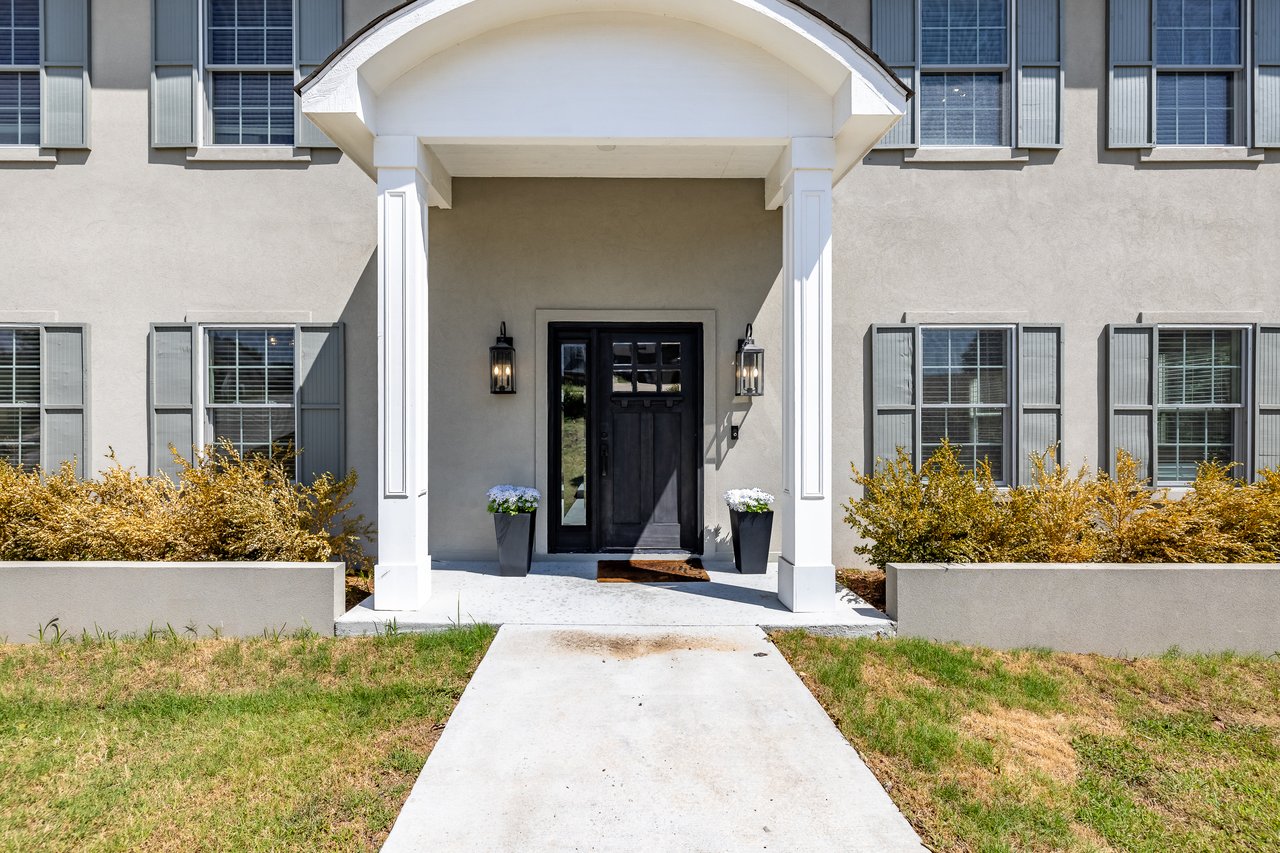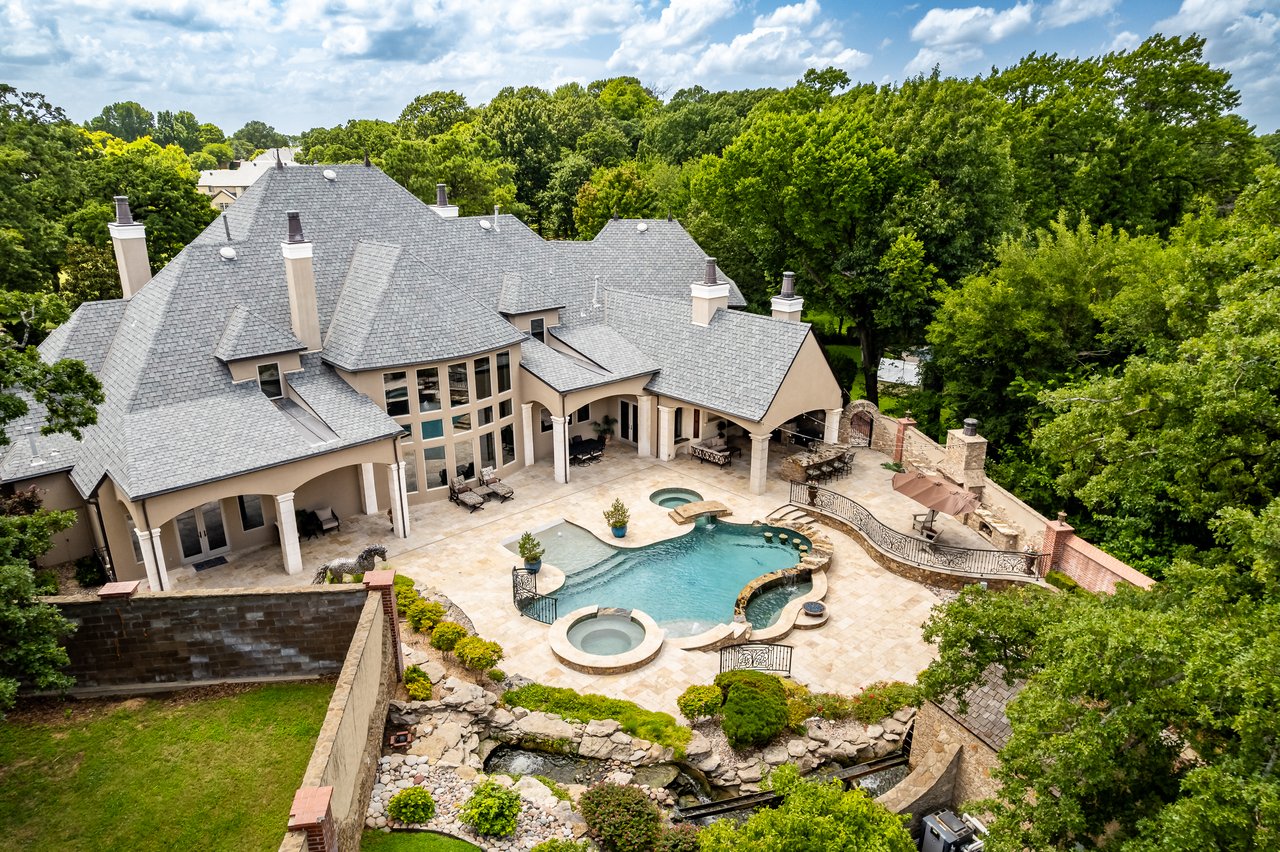
Tulsa's luxury market has a secret that buyers relocating from coastal cities tend to discover with genuine surprise: the same budget that gets you a modest townhome in Austin or a dated condo in Denver buys you a 5,000 square foot estate in one of Tulsa's finest neighborhoods, with a pool, finished basement, and a guest house.
That's not an exaggeration. It's the fundamental value proposition of Tulsa luxury real estate — and in 2026, it's drawing serious buyers from higher-cost markets who've done the math and decided that what they can own here isn't something they'd walk away from.
Here's a grounded look at Tulsa's luxury market in 2026: where it is, what it costs, who's buying, and what you need to know before moving at this price point.
What "Luxury" Means in Tulsa's Market
Nationally, luxury real estate is loosely defined as the top 10% of a given market by price. In Tulsa, that threshold sits at approximately $750,000 and above, with the true luxury tier — properties with premium finishes, significant acreage or lot size, resort-style amenities, and architectural distinction — generally starting around $1,000,000.
That number matters for comparison: $1,000,000 in Tulsa buys you what $3,000,000–$4,000,000 buys in comparable coastal markets. For buyers making location-independent income — remote executives, business owners, investors, and retirees cashing out of high-cost markets — the arithmetic is hard to ignore.
The top end of Tulsa's market runs into the $3,000,000–$6,000,000 range for the city's most exceptional properties — custom-built estates on the Arkansas River, historic Maple Ridge mansions, and acreage compounds in the surrounding Tulsa metro.
Tulsa's Luxury Neighborhoods in 2026
Maple Ridge — Historic Prestige
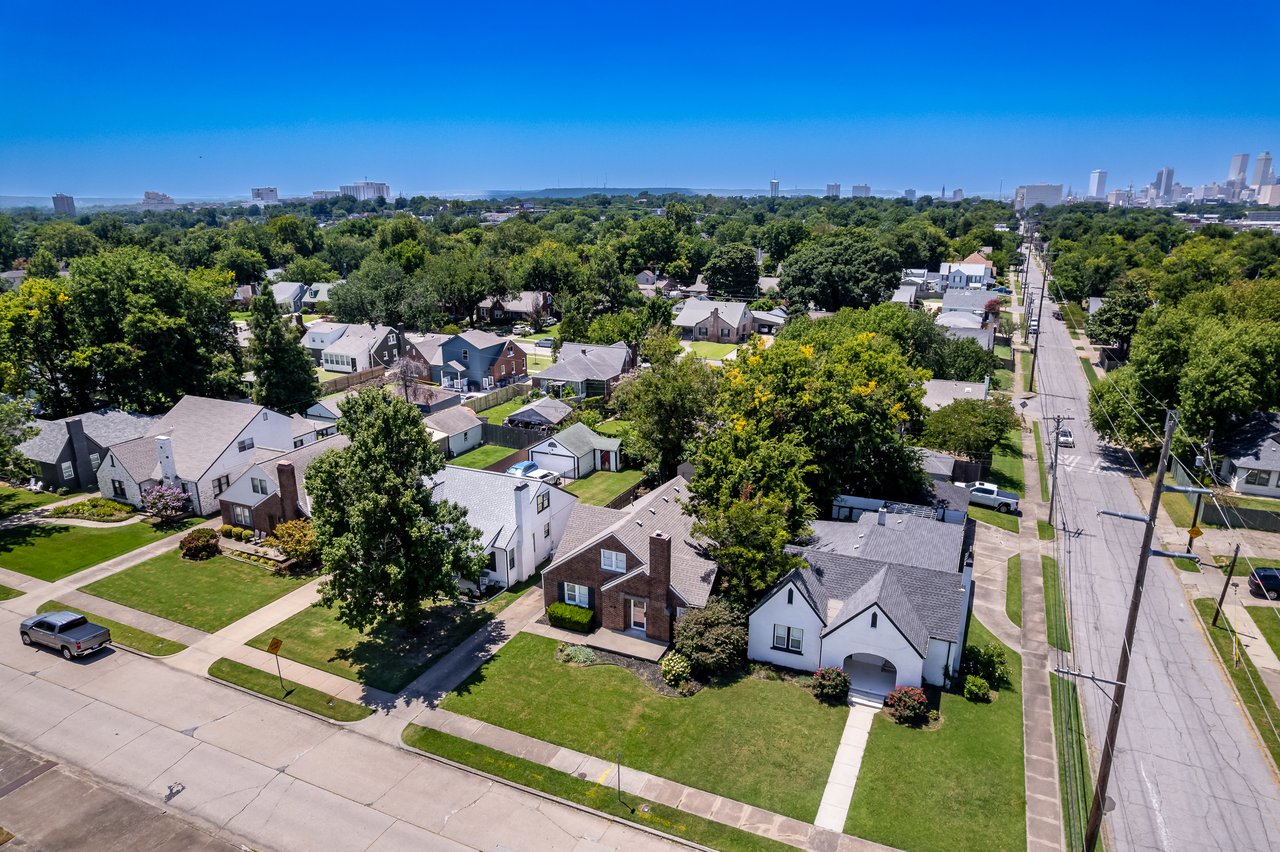
Maple Ridge is Tulsa's oldest and most architecturally significant luxury neighborhood — a midtown enclave of Tudor, Colonial Revival, Craftsman, and Mediterranean estate homes built primarily between 1910 and 1940, set along tree-canopied streets adjacent to Woodward Park and the Philbrook Museum of Art.
Homes here carry genuine architectural pedigree. Many were designed by prominent Oklahoma architects of the early 20th century and have been meticulously maintained or restored. Lot sizes are generous by midtown standards; mature trees and established landscaping create a neighborhood character that simply cannot be replicated in new construction.
Price range: $800,000–$3,500,000+
Who buys here: Buyers who value architectural authenticity, walkability to Tulsa's cultural institutions, and neighborhood character over new finishes. Professionals, executives, and arts community members figure prominently.
What to know: Older homes require ongoing maintenance investment. Some properties have been updated with modern systems while preserving historic character; others need significant work. Due diligence on mechanicals, roof, and foundation is particularly important.
Southern Hills / 71st & Yale Corridor — Established Country Club Living
The Southern Hills area — anchored by Southern Hills Country Club and extending through the established neighborhoods along 71st Street and Yale Avenue — represents Tulsa's traditional executive residential corridor. These neighborhoods feature large lots, mature trees, substantial homes built primarily in the 1960s–1990s, and easy access to South Tulsa's full retail and restaurant infrastructure.
Buyers here often prioritize lot size, privacy, and proximity to the country club lifestyle — golf, tennis, social membership — that anchors the area's identity.
Price range: $700,000–$2,500,000
Who buys here: Established professionals, executives, and buyers who want the space and privacy of a large lot in an area with strong neighborhood stability and infrastructure.
What to know: Many homes in this corridor are from the 1970s–1990s and may have dated interiors despite their size. Buyers should evaluate how much updating a specific home needs and factor renovation costs into their offer.
Gated Communities — South Tulsa and Jenks
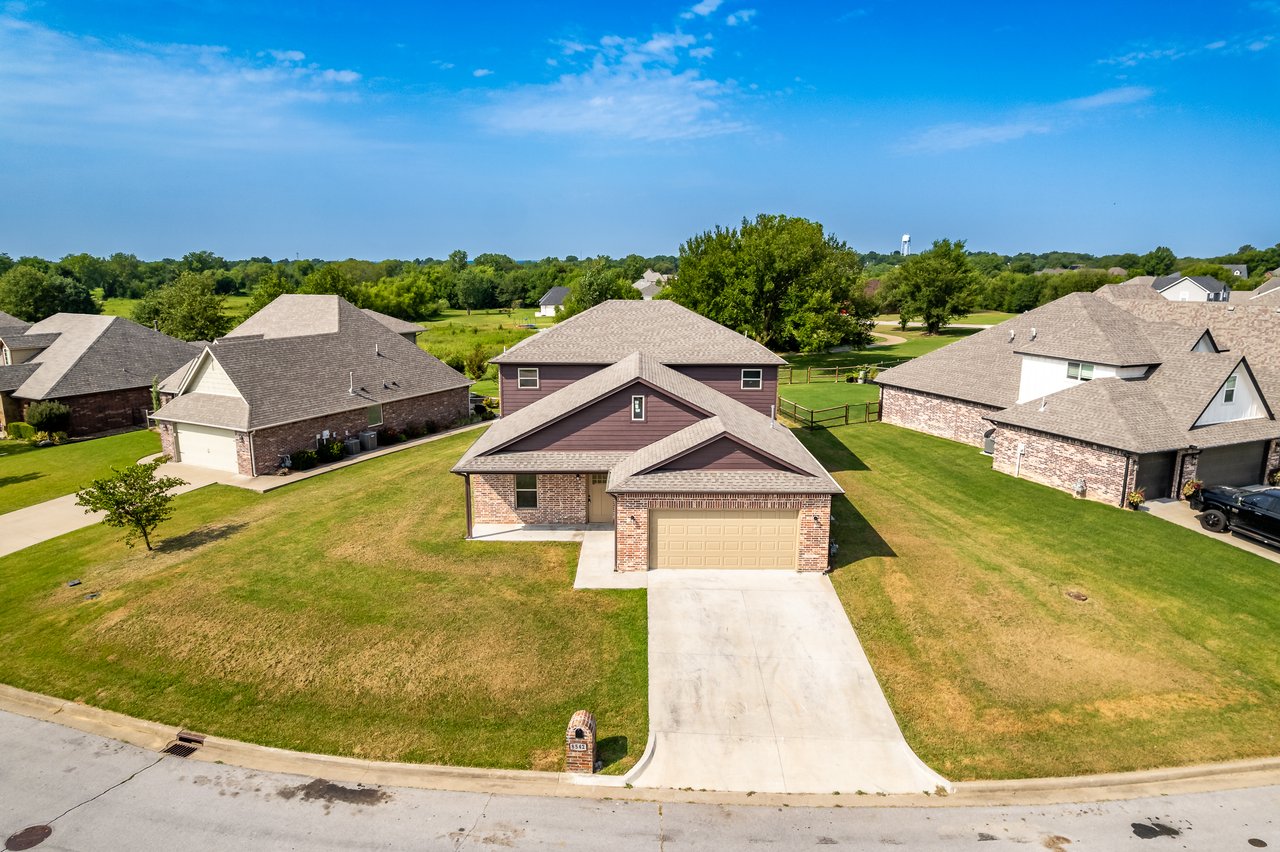
South Tulsa and the Jenks area have developed a significant inventory of gated luxury communities over the past 15–20 years — planned neighborhoods with controlled access, HOA-maintained common areas, and new or near-new construction at the luxury price point.
Notable communities include areas around 101st Street and Memorial Drive, gated developments near the Jenks Riverwalk, and newer master-planned communities further south toward Bixby.
These communities offer the combination of newer construction, modern finishes, resort-style amenities (pools, fitness centers, walking trails), and the security of gated access that appeals to buyers who want luxury without the maintenance overhead of an older estate.
Price range: $750,000–$2,000,000
Who buys here: Buyers relocating from other markets who prefer newer construction, professional families, and buyers who want amenity-rich communities with lower individual maintenance demands.
What to know: HOA fees in these communities run $300–$600+/month and should be factored into total cost of ownership. Review HOA financial health and reserve funding before committing.
Riverside / Arkansas River Corridor
The Arkansas River corridor — particularly the area along Riverside Drive between 21st and 51st Streets — features some of Tulsa's most distinctive luxury properties, including custom-built contemporary homes with river views, renovated midcentury estates, and significant acreage tracts where the city transitions to the river.
The River Parks trail system runs along the Arkansas River, connecting Riverside neighborhoods to recreation infrastructure that's genuinely exceptional by any city's standard. Buyers who want luxury living with immediate outdoor access — cycling, running, kayaking — find the Riverside corridor uniquely compelling.
Price range: $800,000–$4,000,000+
Who buys here: Design-conscious buyers, executives, and buyers who value the combination of natural beauty and urban access that Riverside delivers.
What to know: Riverside's best properties move quickly when they come to market and are sometimes sold off-market. A well-connected local agent is essential for access to this inventory.
Acreage Estates — Wagoner County, Osage Hills, and Metro Fringe
Buyers seeking significant acreage — 10, 20, 50 acres or more — within reasonable distance of Tulsa look to the metro fringe: Wagoner County to the east, Osage Hills to the northwest, the Creek County corridor to the southwest, and the rolling terrain south of Bixby toward Coweta.
These properties combine the privacy and land of rural Oklahoma with commutable distance to Tulsa's employment, healthcare, and amenities. Custom-built homes on 20–100 acre tracts — with horse facilities, ponds, guest quarters, and full shop buildings — occupy this segment of the market.
Price range: $800,000–$5,000,000+ (land value varies significantly by acreage and improvements)
Who buys here: Horse owners, buyers seeking full privacy and self-sufficiency, executives who want a genuine compound, and buyers relocating from western states who want Oklahoma's affordability with a western lifestyle.
What to know: Due diligence on well, septic, road access, and mineral rights is essential. Acreage properties require a specialist — not every luxury agent has the land transaction experience these purchases require.
What Tulsa Luxury Buyers Are Getting in 2026
At the $1,000,000–$2,000,000 price point in Tulsa, buyers typically find:
- 4,000–7,000+ square feet of finished living space
- 4–6 bedrooms, 4–6 bathrooms
- Chef's kitchen with premium appliances (Wolf, Sub-Zero, Thermador)
- Primary suite with spa bath, heated floors, custom closet system
- Finished basement with media room, wet bar, or secondary living space
- 3–4 car garage, sometimes with separate workshop or storage
- Pool and outdoor living with covered patio, outdoor kitchen, and fireplace
- Smart home systems, whole-home audio, security and camera systems
- Mature landscaping on oversized lots — quarter acre to full acre in-city
The finishes and square footage that $1,500,000 produces in Tulsa genuinely compete with what $4,000,000–$5,000,000 buys in markets like Dallas, Denver, or Nashville. For buyers making that comparison with a clear head, Tulsa's value proposition is difficult to dismiss.
Who Is Buying Tulsa Luxury Real Estate in 2026
Local Executives and Business Owners
Tulsa's business community — energy sector executives, healthcare system leaders, legal and financial professionals, and successful entrepreneurs — forms the traditional core of the local luxury market. These buyers know Tulsa's neighborhoods well and buy based on lifestyle fit, school district, and established community relationships.
Remote Workers and Relocating Professionals
The work-from-anywhere economy has been a sustained tailwind for Tulsa's luxury market. Buyers earning coastal-market salaries who relocate to Tulsa find that their income — unchanged — now supports a dramatically different standard of living. Tulsa Remote, the city's $10,000 relocation incentive program, targets remote workers and has brought a meaningful wave of higher-earning transplants who then buy at the upper end of the market.
Equity Relocators from Higher-Cost Markets
Buyers selling homes in California, Colorado, the Pacific Northwest, or the Northeast often arrive in Tulsa with significant equity — sometimes $500,000 to $1,000,000 or more from their sale — and can buy at Tulsa's luxury tier outright or with minimal financing. For these buyers, Tulsa represents a dramatic quality-of-life upgrade at a fraction of their previous cost of living.
Oklahoma Investors Expanding Their Lifestyle
Successful Oklahoma investors — real estate, energy, agriculture — upgrading from earlier homes into their first true luxury purchase represent another consistent buyer segment. These buyers are often highly sophisticated about value and negotiation and buy with long investment horizons.
Luxury Market Dynamics in Tulsa: 2026
Tulsa's luxury segment operates differently from the broader market in a few important ways:
Longer marketing times. The pool of qualified buyers at $1,000,000+ is smaller than at mid-market price points. Well-priced luxury listings in Tulsa average 60–120 days on market — longer than the broader market — and sellers should price accurately from the start rather than testing the market high.
Off-market transactions. A meaningful share of Tulsa's luxury transactions never appear on the MLS. Off-market sales — facilitated through agent networks, direct buyer-seller introductions, and pocket listings — are common at this price point. Buyers who want full market access need an agent with deep relationships in the luxury community.
Cash purchase prevalence. Cash transactions are more common in the luxury segment than in the broader market. Equity relocators, investors, and established business owners frequently purchase without financing — which affects negotiation dynamics and timelines.
Appraisal complexity. Luxury properties are harder to appraise accurately because comparable sales are fewer, the time between comparable sales is longer, and the features that distinguish luxury properties (custom finishes, unique architecture, exceptional lots) are difficult to value precisely. Buyers using financing at this price point should work with lenders experienced in jumbo lending and luxury appraisals.
Jumbo loan landscape. Purchases above the conforming loan limit ($806,500 in 2026 for most Oklahoma counties) require jumbo financing — loans outside of Fannie Mae and Freddie Mac guidelines. Jumbo lenders have their own credit, income, and reserve requirements. Work with a lender who actively originates jumbo loans and has relationships with multiple wholesale jumbo investors.
Frequently Asked Questions
Q: What is considered a luxury home in Tulsa in 2026?
Generally, homes priced at $750,000 and above occupy Tulsa's upper market tier. The true luxury segment — properties with premium finishes, exceptional architectural quality, significant lot size or acreage, and resort-style amenities — typically starts around $1,000,000. The upper end of the market reaches $3,000,000–$6,000,000 for Tulsa's most exceptional properties.
Q: Are luxury homes in Tulsa a good investment in 2026?
Tulsa luxury real estate has appreciated steadily, supported by population growth, the influx of remote workers, and the fundamental supply constraint of well-located luxury properties. The market is not immune to broader economic cycles, but Tulsa's affordability relative to peer cities provides a structural floor that more expensive markets don't have. For buyers who intend to live in the home for 5+ years, the combination of quality of life and equity building makes Tulsa luxury real estate a compelling choice.
Q: How do I find off-market luxury homes in Tulsa?
The most reliable path to off-market inventory is working with a well-connected local luxury agent who actively participates in Tulsa's professional real estate community. Many off-market transactions are handled through agent-to-agent introductions before a property ever reaches the MLS. There's no app for this — it's relationship-based.
Q: What should I look for in a luxury home inspector in Tulsa?
At the luxury price point, a standard home inspection is the floor — not the ceiling. Consider supplementing with specialist inspections: structural engineer for foundation evaluation, pool inspection, roof specialist for complex roofing systems, and HVAC specialist for multi-zone systems. The inspection investment at this price point is proportionally small and the potential cost of missed issues is significant.
Q: How does Tulsa compare to other luxury markets for value?
Tulsa offers more luxury real estate per dollar than virtually any comparable American city. The $1,000,000–$2,000,000 range in Tulsa delivers estate-level homes that would cost $3,000,000–$5,000,000 in Austin, Phoenix, Denver, or Nashville. For buyers whose income isn't tied to a specific geography, Tulsa's value-to-quality ratio in the luxury segment is genuinely difficult to match.
Conclusion
Tulsa's luxury market in 2026 rewards the buyers who approach it with clear eyes — who understand the neighborhoods, know what accurate pricing looks like, have access to both on- and off-market inventory, and work with agents who operate in this segment regularly.
The value is real. The lifestyle is real. The question is knowing where to look and who to trust to get you there.
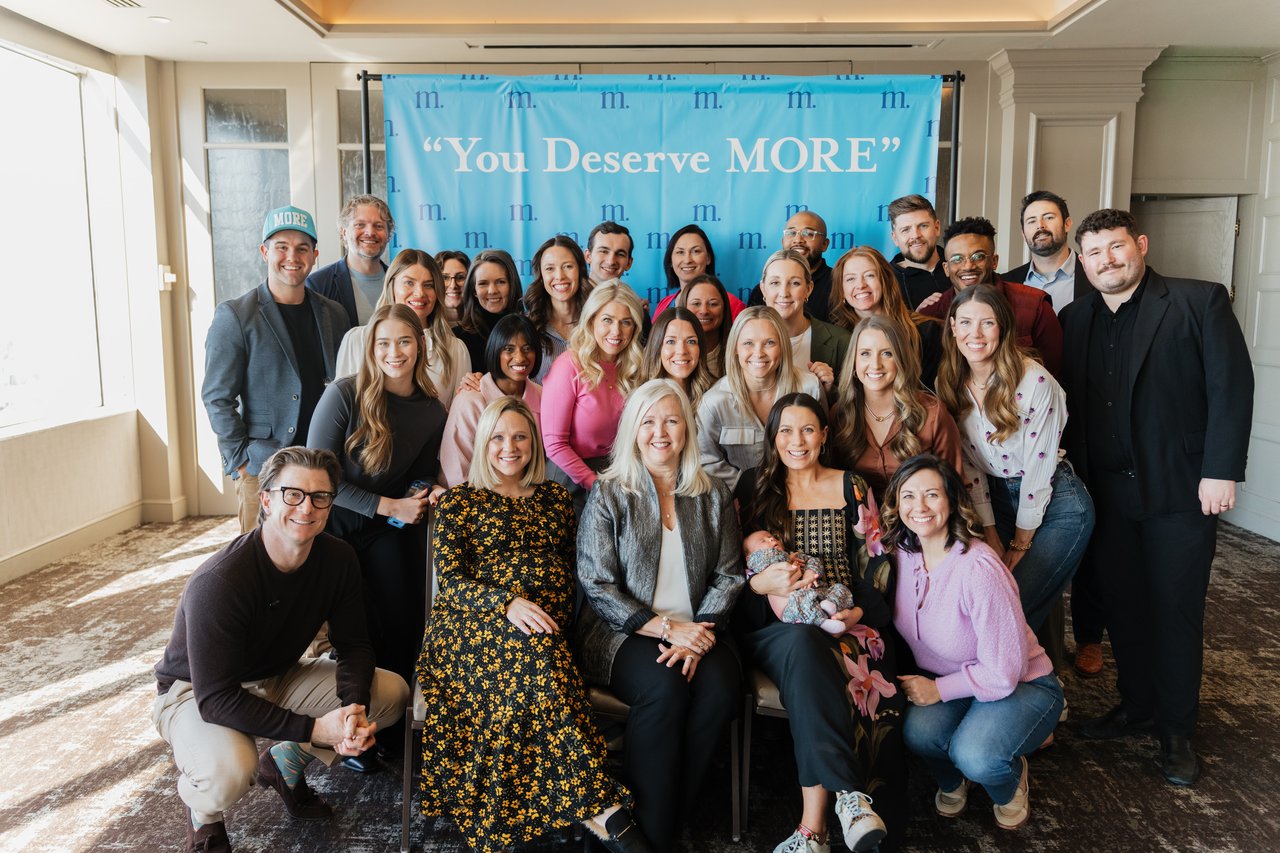
Exploring Luxury Real Estate in Tulsa? MORE Agency Knows This Market.
The luxury segment demands a different level of market knowledge, professional network, and transaction experience. At MORE Agency, we work with buyers and sellers at every price point — including Tulsa's finest properties — with the local expertise and relationships to access the full market.
Contact MORE Agency for a private luxury buyer consultation. Let's talk about what you're looking for and where to find it.