Tulsa keeps showing up on relocation lists — and not because of clever marketing. People are moving here because they ran the numbers, visited the city, and decided that what Tulsa offers is genuinely difficult to match at this price point anywhere else in the country.
But moving to a city you don't know from a city you do is a different kind of challenge. You can research neighborhoods online for hours and still not understand which parts of Tulsa are actually right for your life. You can read about the weather and still not be fully prepared for your first Oklahoma summer. And you can fall in love with a home on Zillow without knowing that the neighborhood it's in doesn't match the life you're picturing.
This guide is written for relocators — people making the move from another state who want a clear, honest picture of what Tulsa actually is, how to navigate the real estate market remotely, and what to know before you sign anything.
Why People Are Moving to Tulsa in 2026
The relocation story in Tulsa isn't complicated. It comes down to a few fundamentals that resonate clearly with people doing honest comparisons:
Cost of living. Tulsa's cost of living index runs approximately 83–87 on a scale where 100 equals the national average. Housing is the biggest driver — but groceries, utilities, transportation, and healthcare all trend below national averages. For buyers coming from markets like Denver (cost of living index ~113), Austin (~103), or the Bay Area (~180+), the financial reset is significant and immediate.
Housing value. The home that costs $800,000 in a mid-tier Denver suburb or $1,200,000 in a comparable Austin neighborhood costs $350,000–$550,000 in Tulsa — with a larger lot, more square footage, and a more established neighborhood. Buyers with equity from selling in high-cost markets often arrive in Tulsa able to buy significantly better than they could anywhere they came from.
Remote work compatibility. Tulsa's downtown and midtown have been heavily invested in over the past decade — coworking spaces, fiber internet infrastructure, a genuine independent restaurant and coffee scene. Remote workers who need a functional, connected city without a coastal price tag find Tulsa delivers.
Tulsa Remote. The Tulsa Remote program — which offers $10,000 to remote workers who relocate and commit to staying one year — has brought thousands of transplants since its 2018 launch. The program has since evolved, but its effect on Tulsa's culture and energy has been sustained: the city is measurably more diverse, more entrepreneurial, and more vibrant than it was a decade ago.
Quality of life details that matter. No traffic by most major city standards. Genuine outdoor access — the Arkansas River trail system, Gathering Place (consistently rated one of the best urban parks in the country), and proximity to eastern Oklahoma's lakes and wilderness. A food scene that punches above its weight. Short commutes. Neighborhoods with actual character.
The Honest Things to Know Before You Move
Every relocation guide tells you the positives. Here's what you actually need to know going in.
Oklahoma Weather Is Real
Tulsa summers are genuinely hot — regularly 95–105°F from June through August, with humidity that makes it feel worse. If you're coming from the Pacific Northwest or the Mountain West, the summer heat is an adjustment that takes more than one season to fully accept. Plan for it: understand your future home's HVAC system capacity, have your new home inspected specifically for cooling efficiency, and adjust expectations about outdoor activity hours in summer.
Winters are mild by northern standards — but ice storms are an Oklahoma winter reality that catches transplants off guard. A single ice event can shut down the city for 2–3 days. Oklahoma's road infrastructure, unlike northern cities, is not built for sustained ice management.
Tornadoes are real. Oklahoma sits in Tornado Alley, and Tulsa has seen significant tornado events. Most Oklahomans take this seriously without living in fear — storm shelters are a standard feature in many homes, and the culture of weather awareness is genuine. When you buy a home in Tulsa, the presence (or absence) of a storm shelter matters.
Tulsa Is Larger and More Spread Out Than It Looks
The Tulsa metro area has approximately one million people — large enough to have full urban amenities, small enough that you'll never wait 45 minutes in traffic on a normal day. But the city is geographically spread, and life without a car is difficult outside of very specific walkable pockets (Brookside, Cherry Street, the Pearl District, parts of downtown).
Plan your home search around where you'll actually spend your time — work location, preferred restaurants, gym, kids' school — because the city doesn't condense around walkability the way denser metros do.
Oklahoma Is Not a "Blue" or "Red" State — It's Just Oklahoma
Oklahoma's political culture is distinctly its own — conservative-leaning overall, but with meaningful cultural and political diversity in Tulsa's urban core. Tulsa itself elected a progressive mayor and has a vibrant arts, LGBTQ+, and creative community that coexists with the state's broader political identity. Relocators who do the research find Tulsa's city culture more cosmopolitan than Oklahoma's state-level reputation suggests — but it's fair to understand the context before arriving.
Building Relationships Takes Time — and Is Worth It
Tulsa has a genuine community culture, but it's not an instant one. Oklahomans are friendly and genuinely hospitable — but the social fabric is built on roots that take time to establish. Transplants who lean into local institutions — neighborhood associations, local sports, arts organizations, faith communities, professional networks — integrate faster and more fully than those who stay in transplant bubbles.
Tulsa's Neighborhoods: What Relocators Need to Know
Choosing the right neighborhood is the most important decision a relocator makes — and it's the one that's hardest to get right from a distance. Here's a working map of Tulsa's key residential areas.
Midtown Tulsa
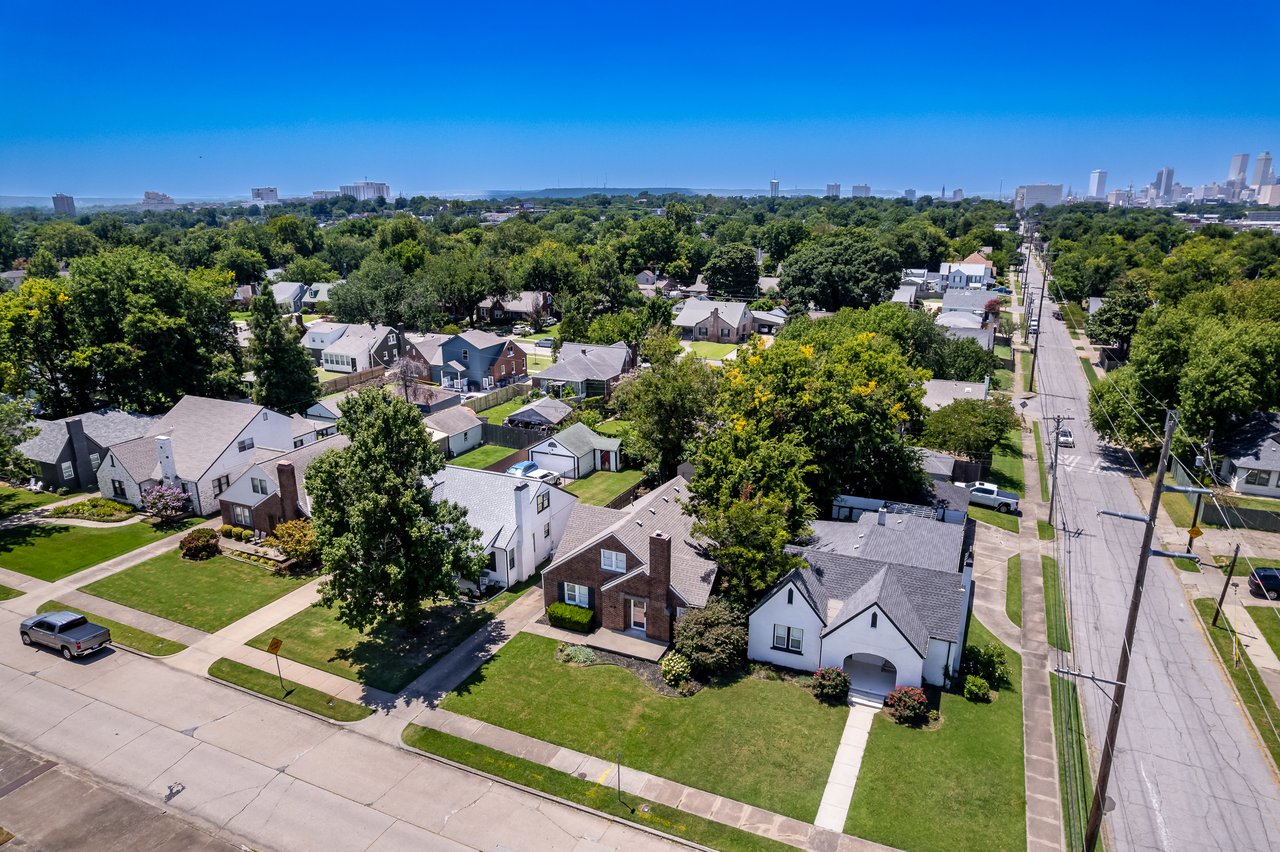
The most walkable and culturally rich part of the city. Midtown encompasses several distinct neighborhoods — Maple Ridge, Brookside, Cherry Street, the Pearl District, Swan Lake, and the areas around Utica Square. Older homes with genuine architectural character, tree-canopied streets, independent restaurants and shops within walking distance, and proximity to Philbrook Museum and Woodward Park.
Best for: Buyers who want urban walkability, architectural character, and cultural proximity. Empty nesters, creative professionals, and buyers relocating from walkable urban neighborhoods elsewhere.
Price range: $300,000–$2,500,000+ depending on specific neighborhood and home size.
South Tulsa
Newer development, strong school districts (Union, Jenks, and Broken Arrow school systems serve portions of South Tulsa), excellent retail and restaurant infrastructure, and easy access to healthcare (St. Francis Health System campus). More suburban in character than Midtown — larger lots, newer homes, less walkability but strong schools and family infrastructure.
Best for: Families with school-age children, buyers who prioritize new construction and modern finishes, and buyers who want strong school districts without leaving the Tulsa area.
Price range: $250,000–$1,500,000+
Broken Arrow
Tulsa's largest suburb and the fourth-largest city in Oklahoma. Strong school district (Broken Arrow Public Schools), its own retail and restaurant infrastructure, the Rose District downtown revitalization, and generally lower prices than comparable Tulsa proper neighborhoods. A full-service community rather than a bedroom suburb.
Best for: Families, value-oriented buyers who want South Tulsa proximity without South Tulsa prices, and buyers who prefer a slightly quieter pace with easy Tulsa access.
Price range: $200,000–$900,000
Jenks
A smaller, tight-knit community along the Arkansas River south of Tulsa — known for its highly regarded school district (Jenks Public Schools consistently ranks among Oklahoma's best), the Riverwalk development, and a genuine small-town community feeling within easy reach of Tulsa amenities.
Best for: Families for whom school district quality is the primary driver, buyers who want community scale, and buyers interested in river proximity.
Price range: $250,000–$1,200,000
Owasso
North of Tulsa, Owasso has grown rapidly over the past 15 years into a full-service suburb with its own strong school district, retail infrastructure, and newer residential development. More affordable than South Tulsa at comparable home sizes, and attractive to buyers who work in north Tulsa or the surrounding area.
Best for: Families, value buyers, and buyers who prefer newer construction and room to grow.
Price range: $200,000–$700,000
Downtown and the Brady Arts District
Tulsa's downtown has undergone sustained reinvestment over the past decade — the ONEOK Field baseball district, the Gathering Place, BOK Center, and a growing residential and hospitality infrastructure. The Brady Arts District and adjacent areas offer loft-style living, walkability to arts venues and independent restaurants, and a genuinely urban character uncommon in Oklahoma cities.
Best for: Young professionals, remote workers who value urban energy, and buyers who prioritize walkability and nightlife over space.
Price range: $180,000–$600,000 for condos and lofts; varies for nearby single-family
How to Buy a Home in Tulsa Before You Move
Buying a home in a city you don't live in yet is genuinely possible — and increasingly common. Here's how relocators navigate it successfully.
Get Pre-Approved First
Before you start searching Tulsa listings from your current city, get pre-approved with a lender — ideally one with Oklahoma market knowledge or at minimum nationwide capacity. Knowing your real budget focuses your search and enables you to act quickly when you find the right home, which matters in a market where well-priced homes move in days.
Work With a Local Agent Who Knows Relocation
Not every Tulsa agent has experience working with out-of-state buyers — the communication demands, virtual tour needs, and neighborhood education required are different from a local buyer who already knows the market. Find an agent with documented relocation experience who is comfortable doing video walkthroughs, providing detailed neighborhood context, and communicating effectively across time zones.
Virtual Tours and Video Walkthroughs
A professional listing video is not a substitute for a live walkthrough conducted by your agent via FaceTime or video call. Ask your agent to walk through prospective homes with you live — pointing out things the listing photos don't show: the noise from the adjacent road, the slope of the backyard, the condition of the garage, the view from the primary bedroom window.
Visit Before You Commit — If Possible
If your timeline allows, plan a focused 3–4 day visit to Tulsa before making an offer. Drive the neighborhoods you're considering at different times of day. Eat at local restaurants. Walk Brookside and Cherry Street. Drive the commute route to your office. Attend a community event if timing allows. The investment in a well-planned visit pays for itself in confidence and fit.
Understand Oklahoma's Specific Disclosures
Oklahoma requires sellers to disclose known material defects — including prior flooding, foundation issues, and mechanical problems. Oklahoma also has specific disclosure requirements related to the Oklahoma Residential Property Condition Disclosure Act. Your agent should walk you through what disclosures are required and what to look for in what you receive.
Factor in Oklahoma-Specific Due Diligence
Storm shelter: Ask whether the home has one. In many South Tulsa and suburban neighborhoods, safe rooms or in-ground shelters are standard — and their presence matters both for safety and for future resale.
Hail and wind damage: Oklahoma's hail frequency means roofs and exterior surfaces take more abuse than in most parts of the country. A thorough inspection with specific attention to roof age and condition is non-negotiable.
Foundation: Clay-heavy Oklahoma soils expand and contract with moisture changes, which stresses foundations over time. Have an inspector evaluate the foundation specifically, and consider a structural engineer's report on any home with visible foundation concerns.
HVAC capacity: Oklahoma summers demand a properly sized and well-maintained cooling system. Confirm the HVAC is appropriately sized for the home's square footage and has been serviced recently.
Oklahoma-Specific Logistics for New Residents
Once you've moved, a few practical steps to get established:
Driver's license and vehicle registration: Oklahoma requires new residents to obtain an Oklahoma driver's license within 30 days of establishing residency. Vehicle registration must also be transferred. Visit an Oklahoma Department of Public Safety (DPS) office with your out-of-state license, proof of identity, proof of Oklahoma residency, and proof of insurance.
Vehicle inspection: Oklahoma requires an annual safety inspection for vehicles. Find an authorized inspection station shortly after arrival.
Voter registration: Oklahoma residents can register to vote online through the Oklahoma State Election Board website or in person at the county election board.
Oklahoma income tax: Oklahoma has a state income tax with rates that vary based on income. If you're relocating mid-year, consult a tax professional about your filing obligations in both your prior state and Oklahoma for the transition year.
Homestead exemption: If you purchase a home in Oklahoma as your primary residence, apply for the homestead exemption with your county assessor — it reduces the assessed value of your home for property tax purposes by $1,000. Applications are typically due by March 15 of the tax year.
Frequently Asked Questions
Q: Is Tulsa a good place to live for out-of-state transplants?
Consistently yes — particularly for buyers and remote workers relocating from higher-cost states who find that Tulsa's combination of affordability, quality of life, and genuine community depth is difficult to match at a comparable price. The city has a growing transplant community through Tulsa Remote and organic relocation, and the infrastructure to welcome and integrate new residents is well-established.
Q: What is the Tulsa Remote program and is it still available in 2026?
Tulsa Remote launched in 2018 offering $10,000 to remote workers who relocate and commit to one year of Tulsa residency. The program has evolved over time — eligibility requirements, incentive structure, and application windows have changed. Check the current program status at tulsaremote.com directly, as program details are subject to update.
Q: How is the job market in Tulsa for people relocating without remote work?
Tulsa's major employment sectors include energy (ONEOK, Williams Companies, BOK Financial), healthcare (Saint Francis, Hillcrest, OU Health Tulsa), aerospace and manufacturing (American Airlines maintenance base, NORDAM Group), and a growing technology and startup ecosystem. The University of Tulsa and Oral Roberts University contribute educated workforce supply. The job market is solid for skilled professionals, though less deep than major metros for highly specialized roles.
Q: What should I know about Oklahoma property taxes as a new homeowner?
Oklahoma property taxes are among the lowest in the country. Effective rates average approximately 0.85–1.0% of assessed value, and agricultural and residential land is often assessed below market value. Apply for the homestead exemption as a primary residence owner — it reduces your taxable assessed value and limits future assessment increases.
Q: How do I find a neighborhood in Tulsa that fits my lifestyle before moving?
Ask your real estate agent for honest neighborhood assessments specific to your priorities — walkability, school district, commute, nightlife, quiet vs. active. Supplement with a focused visit if possible. Tulsa's neighborhood Facebook groups and community Reddit communities (r/tulsa) provide unfiltered resident perspectives. Drive the target neighborhoods at different hours. The investment in understanding the geography before committing pays for itself.
Conclusion
Tulsa rewards relocators who approach it honestly — who understand what it is rather than what they hope it will be, who take the time to learn the neighborhoods rather than guessing from a map, and who build the right team to navigate the real estate market from a distance.
What they find, consistently, is a city that delivers on the fundamentals: affordability that's real, community that's genuine, and a quality of life that justifies the move.
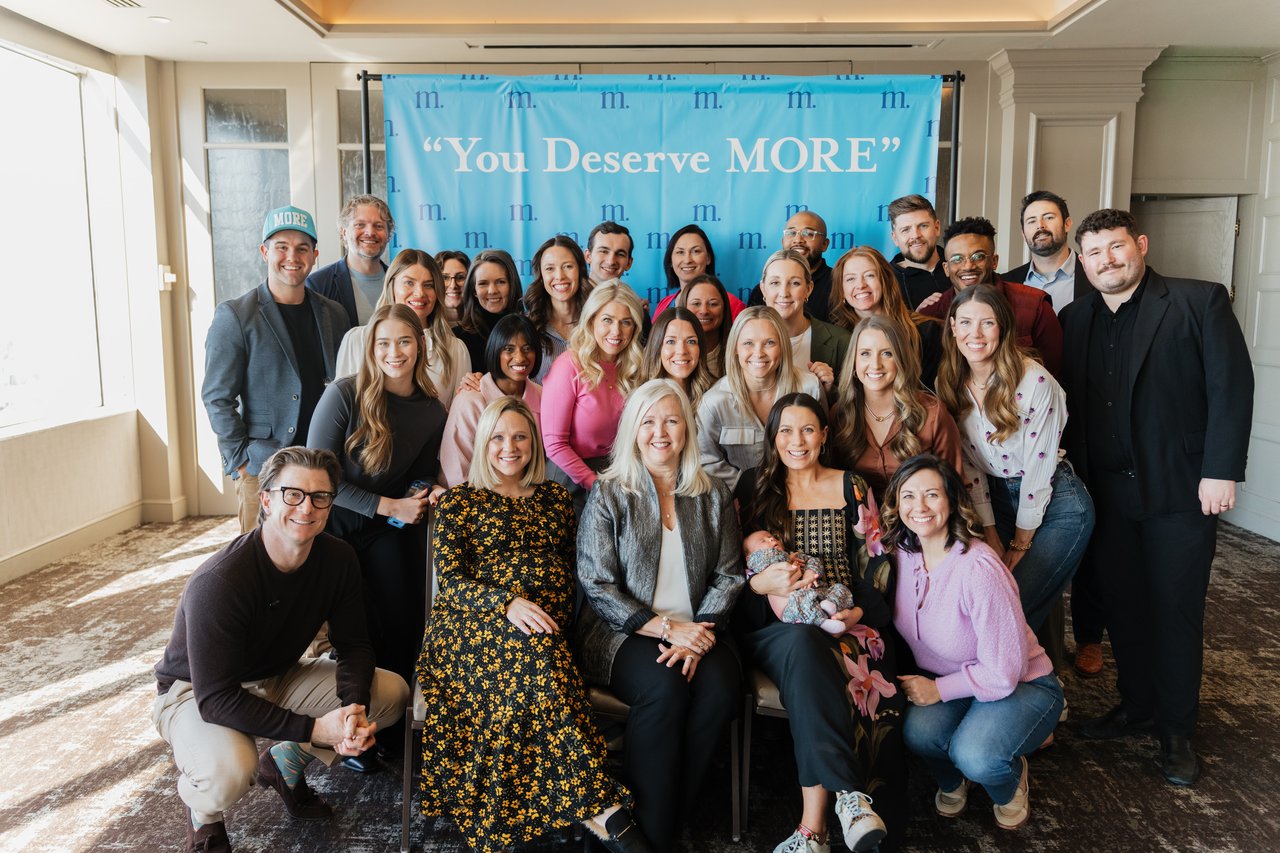
Relocating to Tulsa? MORE Agency Has Done This Before.
Out-of-state buyers have specific needs — and MORE Agency knows how to meet them. Virtual walkthroughs, detailed neighborhood guidance, remote offer coordination, and a team that understands the Tulsa market at the level you need to make a confident decision from a distance.
Contact MORE Agency for a relocation consultation and let's find your Tulsa.