You've accepted an offer. You're under contract. You're mentally planning the move. Then the appraisal comes in $18,000 below the purchase price and suddenly everyone is back at the negotiating table — or worse, the deal is dead.
Appraisals are the moment in a real estate transaction where a licensed professional who has never seen your home before puts a number on it — and that number carries enormous weight. Lenders won't finance more than the appraised value. Buyers can invoke their appraisal contingency. Sellers can refuse to budge. And when the appraised value and the contract price diverge significantly, the outcome of the transaction hangs in the balance.
Understanding how appraisals work in Oklahoma — what appraisers evaluate, how they arrive at their number, what happens when it comes in low, and how to prepare for one — is essential knowledge for both buyers and sellers in 2026.
What a Home Appraisal Is
A home appraisal is a formal, licensed assessment of a property's market value conducted by a state-certified appraiser. It is required by lenders on virtually all financed real estate transactions — because before a bank lends hundreds of thousands of dollars secured by a property, they want independent confirmation that the property is actually worth what the buyer agreed to pay.
The appraiser is hired by the lender — not by the buyer, not by the seller, not by either agent. This is intentional: the appraiser's obligation is to produce an independent, objective opinion of value. They are not trying to make the deal work. They are not trying to help the seller. Their job is to arrive at the most defensible estimate of what the property would sell for between a willing buyer and a willing seller, with neither under unusual pressure, in the current market.
The result is a formal written report — typically 25–50 pages — that documents the appraiser's methodology, the comparable sales they used, the adjustments they made, and their final value conclusion.
Who Performs Appraisals in Oklahoma
Oklahoma appraisers are licensed and regulated by the Oklahoma Real Estate Appraiser Board. The licensing structure has several tiers:
Licensed Residential Appraiser: Can appraise non-complex residential properties up to $400,000.
Certified Residential Appraiser: Can appraise any residential property regardless of value or complexity — the designation required for higher-value homes and complex assignments.
Certified General Appraiser: Can appraise any property type including commercial.
For most Tulsa residential transactions, a Certified Residential Appraiser conducts the appraisal. On luxury properties, unique homes, or complex assignments, verifying the appraiser has relevant experience matters — a residential appraiser who primarily works in the $200,000–$300,000 range may be less equipped to accurately assess a $1,200,000 estate with limited direct comparables.
Lenders are required to use appraisers selected through an Appraisal Management Company (AMC) — a third-party intermediary that maintains separation between the lender's loan officers and the appraiser. This independence requirement exists specifically to prevent pressure on appraisers to hit a target value.
How Oklahoma Appraisers Determine Value
Appraisers use one or more of three recognized valuation approaches. For residential property in Oklahoma, the Sales Comparison Approach is primary — supported by the Cost Approach on newer homes.
The Sales Comparison Approach
The appraiser selects three to six recently sold homes — comparable sales ("comps") — that are similar to the subject property and analyzes how the subject compares to each. Where differences exist, the appraiser makes adjustments — adding value for features the subject has that the comp lacks, subtracting value for features the comp has that the subject lacks.
Comp selection criteria:
- Proximity: Ideally within the same neighborhood or subdivision; expanding radius as needed
- Recency: Most recent sales carry most weight — ideally within 90 days, extended to 6–12 months when recent comps are limited
- Similarity: Comparable in size, bedroom/bathroom count, age, style, and condition
- Arm's-length transactions: Sales between unrelated parties at market terms — not foreclosure sales, estate sales, or family transfers at below-market prices
Common adjustment categories in Oklahoma appraisals:
Feature | Typical Adjustment Range |
|---|---|
Gross living area (per sq ft) | $30–$80/sq ft |
Garage (per stall) | $8,000–$15,000 |
Bathroom (full) | $5,000–$12,000 |
Pool | $10,000–$25,000 |
Storm shelter | $3,000–$8,000 |
Lot size | Varies significantly by location |
Condition | Wide range depending on severity |
Location | Neighborhood/street adjustments |
Adjustments are derived from paired sales analysis — finding market evidence of what buyers have paid for specific features — rather than arbitrary estimates. The quality of comparable selection and the accuracy of adjustments are where appraisal quality varies most significantly.
The Cost Approach
The cost approach estimates value by calculating what it would cost to rebuild the home at today's material and labor costs, then subtracting depreciation for age and condition, and adding the land value. It's most useful for newer homes (where depreciation is limited and cost data is current) and for unique properties with few comparable sales.
On older Oklahoma homes, the cost approach is typically given less weight than the sales comparison approach — decades of depreciation are harder to estimate reliably, and buyers don't typically make purchasing decisions based on replacement cost.
The Income Approach
Used primarily for investment properties and multifamily buildings — estimates value based on the income the property generates. Rarely the primary approach for single-family Oklahoma residential transactions.
The Appraisal Process: Timeline and What to Expect
Ordering
The lender orders the appraisal shortly after the purchase contract is executed — typically within the first week after going under contract. The order goes through the AMC, which assigns an appraiser based on geographic coverage, license type, and availability.
Scheduling the Inspection
The appraiser contacts the listing agent or seller to schedule a property visit. In Oklahoma's current market, appraisal scheduling typically runs 5–14 days from order to inspection — longer in rural areas or during periods of high transaction volume.
The Property Inspection
The appraiser visits the property for a physical inspection — typically 30–60 minutes for a standard residential home. They measure the exterior, photograph all rooms and systems, note the condition of components, assess location characteristics, and document features relevant to value.
This is not a home inspection — the appraiser is not evaluating system functionality or identifying defects. They're assessing condition as it affects value. A home that a home inspector would flag for a failing HVAC might receive a "fair" condition rating from an appraiser — both observations are true and serve different purposes.
Report Preparation and Delivery
After the inspection, the appraiser researches comparable sales, makes adjustments, and writes the formal report. Turnaround from inspection to completed report typically runs 5–10 business days in Oklahoma — though complex assignments, rural properties, or backlogs can extend this.
The completed report is delivered to the lender, who reviews it and shares it with the buyer. Sellers do not automatically receive the appraisal report — but buyers who request a copy from their lender are entitled to one.
Total appraisal timeline from order to report: Typically 10–21 days in Oklahoma's current market.
What Happens When the Appraisal Comes In at Value
When the appraisal confirms the property value at or above the contract price, the appraisal condition in the loan is satisfied. The transaction proceeds to underwriting completion without appraisal-related complications. This is the outcome in the majority of Oklahoma transactions.
What Happens When the Appraisal Comes In Low
A low appraisal — where the appraised value is below the contract price — creates a financing gap that must be resolved for the transaction to close. The lender will only lend against the appraised value; the difference between the appraised value and the contract price must be addressed.
The Options When an Appraisal Gap Occurs
Option 1: Renegotiate the purchase price
The buyer requests that the seller reduce the price to the appraised value. The seller is not obligated to agree — but if the buyer has an appraisal contingency and the gap can't be resolved, the buyer can terminate and recover earnest money. In a buyer-leaning market, sellers often agree to a price reduction. In a competitive market with backup offers, sellers are less motivated to accommodate.
Option 2: Split the gap
Buyer and seller each absorb a portion of the difference. The buyer brings additional cash to closing to cover part of the gap; the seller reduces the price by the remainder. This requires negotiation — neither party is obligated to this outcome, but it's a common middle ground.
Option 3: Buyer covers the full gap
The buyer pays the difference out of pocket — bringing additional cash to closing above the standard down payment. This requires the buyer to have sufficient cash reserves and willingness to pay above the appraised value. Buyers should think carefully before paying significantly above appraised value — they're immediately starting with negative equity relative to the appraisal.
Option 4: Contest the appraisal
If the buyer's agent or seller believes the appraiser made errors — selected poor comparables, made inaccurate adjustments, or missed relevant sales — the appraisal can be formally challenged through a Reconsideration of Value (ROV) request submitted by the lender to the appraiser.
An effective ROV requires documented evidence: specific comparable sales the appraiser didn't use that support a higher value, factual errors in the report (wrong square footage, missing features), or specific adjustments that appear inconsistent with market evidence. Vague objections or simple disagreement with the conclusion are insufficient.
ROVs don't always succeed — appraisers are independent and not required to change their conclusion without compelling evidence. But when there's genuine appraisal error, the ROV process provides a structured path to correction.
Option 5: Terminate the contract
If the buyer has an appraisal contingency and the gap can't be resolved through negotiation or reconsideration, the buyer can terminate and recover their earnest money. This protects the buyer from being obligated to purchase at a price the market doesn't support.
How to Prepare Your Home for an Appraisal in Oklahoma
Sellers have meaningful influence over how their home is presented to the appraiser — and preparation matters.
Present the Home at Its Best
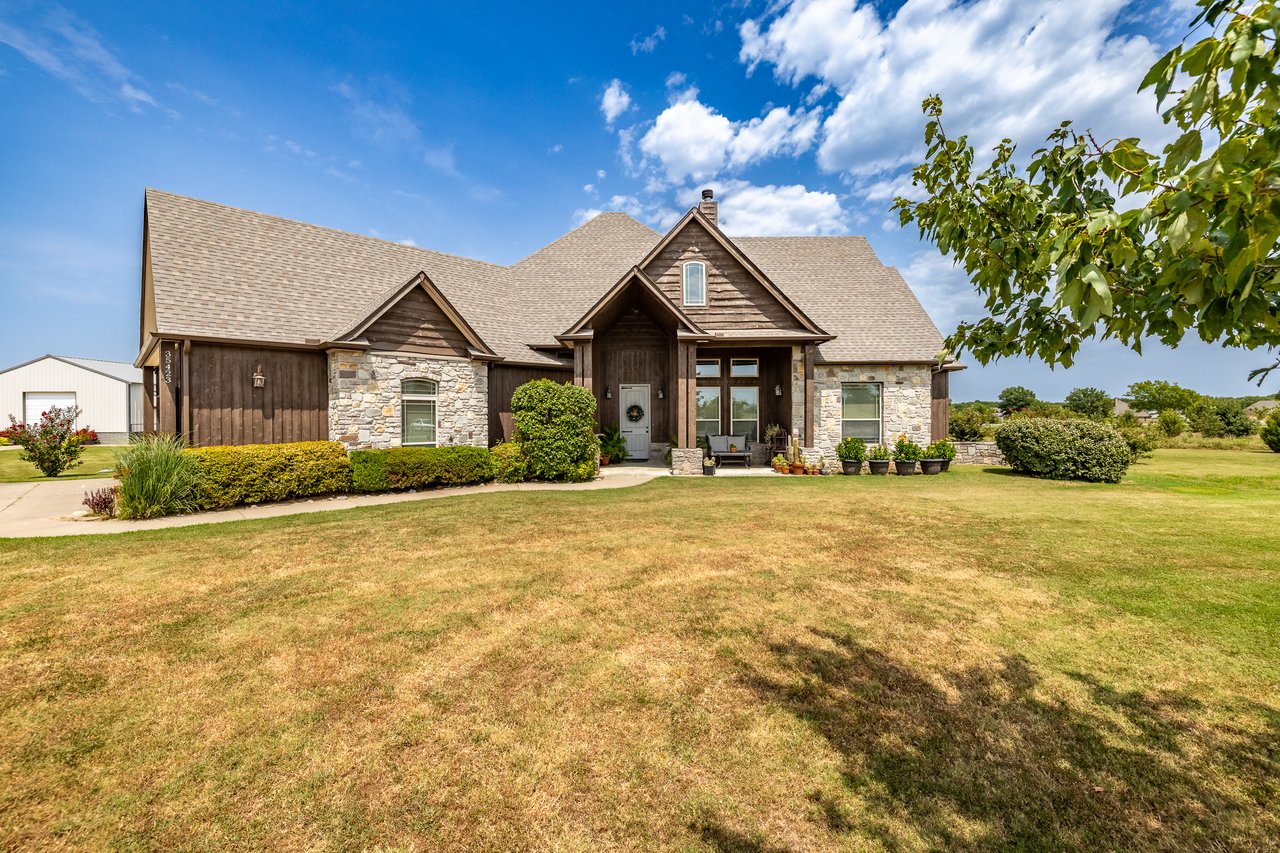
The appraiser is assessing condition as it affects value. A clean, organized, well-maintained home receives better condition ratings than an identical home that appears neglected. This isn't superficial — condition adjustments in Oklahoma appraisals can run $5,000–$20,000+ depending on the gap between the subject and its comparables.
Practical preparation:
- Complete any in-progress repairs or painting before the appraisal
- Ensure all systems are operational — HVAC running, all lights functioning, no dripping faucets
- Clean thoroughly, particularly in kitchens and bathrooms where condition is most visible
- Make the home accessible — clear the attic access, garage, and any areas the appraiser needs to enter
- Address obvious deferred maintenance that affects condition rating
Provide a Feature List to the Appraiser
Appraisers can only value what they know about. Prepare a written list of improvements, upgrades, and features that may not be immediately obvious during a walkthrough:
- Recent improvements with approximate costs and dates — roof replacement, HVAC replacement, kitchen renovation, bathroom remodel
- Energy efficiency features — spray foam insulation, high-efficiency HVAC, solar if applicable
- Features that don't photograph easily — whole-home generator, smart home systems, buried propane tank, storm shelter if below-grade
- Lot features — mature trees, privacy fence, irrigation system, outbuildings
This isn't lobbying — it's ensuring the appraiser has complete information. Appraisers cannot value improvements they don't know exist.
Provide Relevant Comparable Sales
Your listing agent can prepare a list of recent comparable sales that support the contract price — particularly any sales the appraiser might not find easily or that require explanation to understand their relevance. Provide this to the appraiser at the time of inspection.
This is not an attempt to influence the appraisal — it's providing relevant market information. Appraisers make their own judgments about what to use; your responsibility is ensuring they have access to all relevant data.
Appraisal Considerations for Oklahoma Buyers
The Appraisal Contingency: Keep It
The appraisal contingency protects buyers from being obligated to complete a purchase at a price the appraisal doesn't support. In competitive market conditions, some buyers waive appraisal contingencies to strengthen offers — accepting the risk that they'll need to cover any appraisal gap out of pocket.
This is a risk management decision that should be made deliberately, with full awareness of the potential gap and whether you have the cash to cover it. Waiving an appraisal contingency without sufficient cash reserves is a gamble that can create real financial hardship.
Appraisals in New Construction
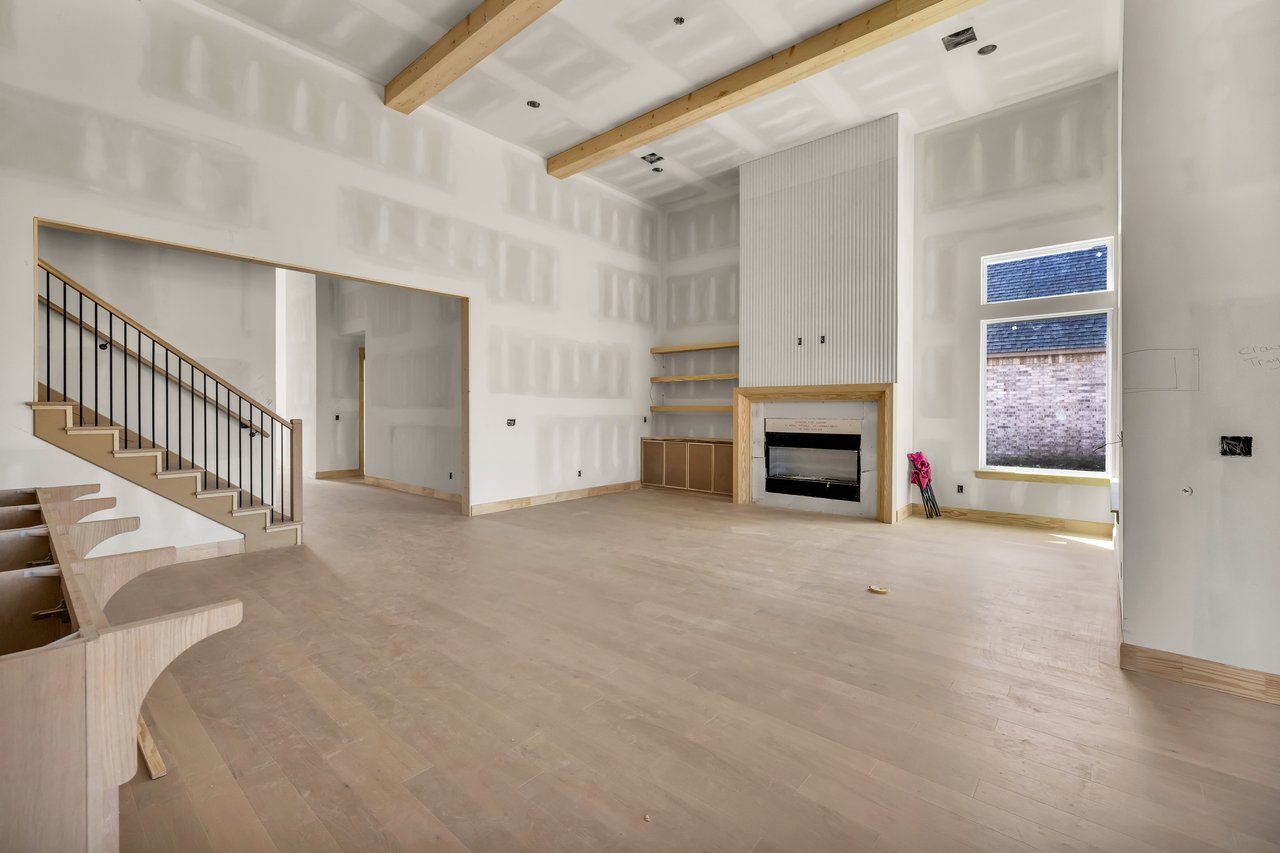
New construction appraisals present a specific challenge: in communities with limited sales history, the appraiser may have few true comparables and must use sales from other communities or different product types. Early buyers in a new development face higher appraisal risk — later buyers benefit from the builder's own prior sales as established comparables.
Ask your lender about appraisal risk in any specific new construction community before going under contract.
Oklahoma-Specific Value Factors Appraisers Consider
Certain features carry specific weight in Oklahoma appraisals that may differ from national norms:
Storm shelters: A recognized value-adding feature in Oklahoma — appraisers make positive adjustments for in-ground or safe room storm shelters. The adjustment typically runs $3,000–$8,000 depending on the specific market and shelter type.
Energy efficiency: Oklahoma's extreme summer heat makes energy efficiency — spray foam insulation, high-efficiency HVAC, low-e windows — more value-relevant than in milder climates.
Location relative to flood plains: Properties in FEMA-designated flood plains face insurance costs and lender requirements that affect marketability and value.
Frequently Asked Questions
Q: How much does a home appraisal cost in Oklahoma?
Oklahoma residential appraisals typically run $400–$700 for standard single-family homes. Larger homes, rural properties, unique properties, or complex assignments may run $700–$1,000+. The buyer pays the appraisal fee — typically as part of closing costs — though it's sometimes paid upfront. The fee is paid regardless of whether the transaction closes.
Q: Can the seller see the appraisal report in Oklahoma?
Sellers are not automatically provided the appraisal report — it's ordered by and delivered to the lender, with the buyer entitled to a copy. However, in practice, appraisal findings are often communicated between parties when there's a gap that requires negotiation. Sellers can request the report from the buyer or their agent, who may or may not share it.
Q: How long is an appraisal valid in Oklahoma?
For conventional loans, appraisals are typically valid for 120 days from the effective date. For FHA loans, the appraisal is valid for 180 days and is tied to the property (meaning it transfers if the original transaction falls through and a new buyer emerges). VA appraisals are valid for 180 days.
Q: What if I disagree with the appraisal in Oklahoma?
Buyers can request a Reconsideration of Value (ROV) through their lender — providing specific comparable sales or factual corrections that support a different conclusion. Sellers can also provide information to the buyer's agent to support an ROV. The appraiser is not required to change their conclusion but must consider documented evidence presented through the formal ROV process.
Q: Do cash buyers need an appraisal in Oklahoma?
Cash purchases don't require an appraisal — no lender means no lender requirement. However, cash buyers may choose to order an independent appraisal for their own protection — to confirm they're paying a price the market supports. This is particularly advisable for unique properties, luxury purchases, or any transaction where the buyer has limited market context.
Conclusion
The appraisal is the moment the market's opinion of your home's value gets rendered formally — and that opinion has consequences. Understanding how appraisers work, what they're evaluating, and how to navigate a low appraisal transforms an often-stressful part of the transaction into something manageable and predictable.
Sellers who prepare well rarely face surprises. Buyers who understand their contingency rights never need to panic. And both sides who understand the process negotiate appraisal gaps more effectively than those who don't.
Questions About Appraisals in Your Oklahoma Transaction? MORE Agency Has Navigated Hundreds of Them.
Appraisal gaps, reconsideration requests, seller preparation — these are situations the MORE Agency team handles in real transactions every day. We know how to prepare listings for appraisals, how to contest findings that don't reflect the market, and how to negotiate gaps when they arise.
Contact MORE Agency for a buyer or seller consultation and let's talk through what to expect at every stage of your transaction.