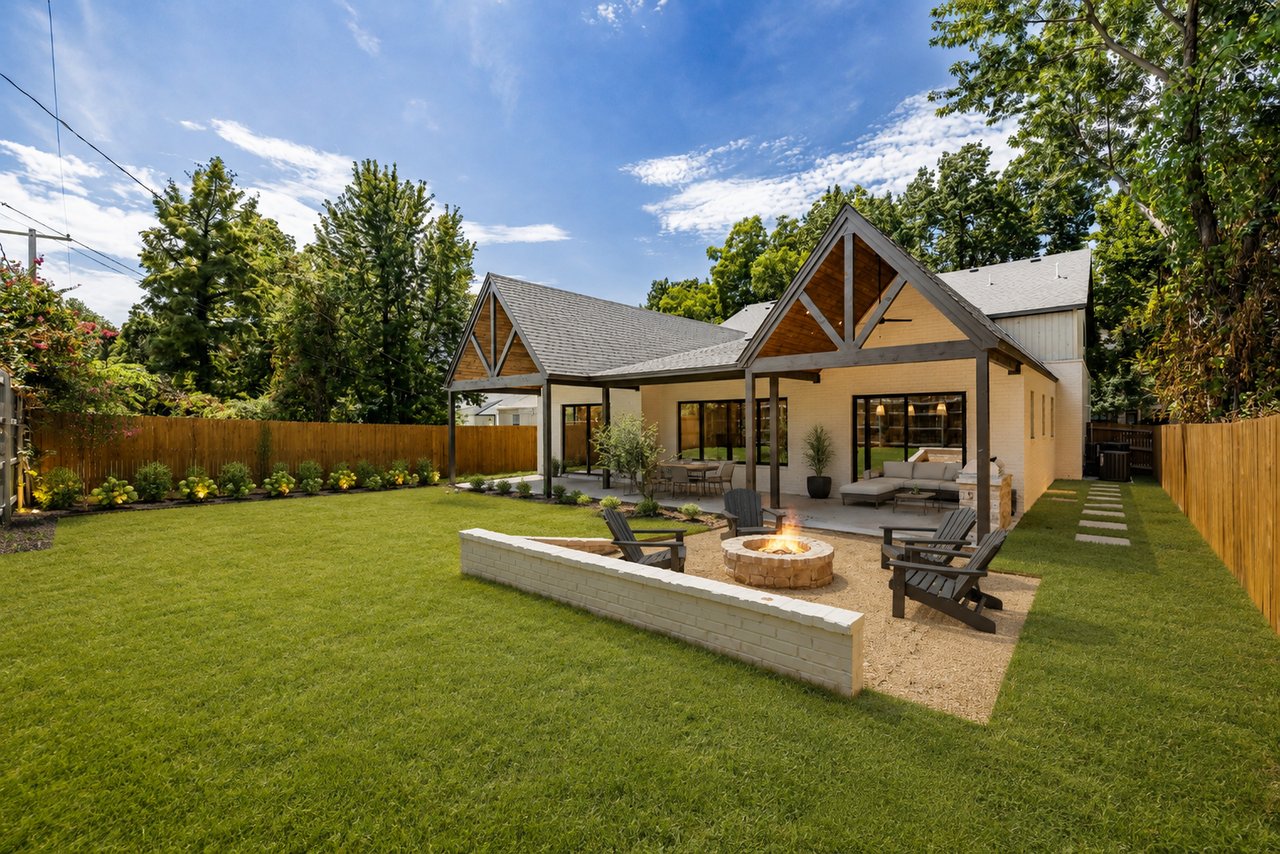
Speed in real estate isn't luck. It's strategy — and most of it is decided before the sign goes in the yard.
The homes that go under contract in days aren't just fortunate. They're priced correctly, prepared thoroughly, photographed professionally, and launched into the market with intention. The homes that sit for 60, 90, 120 days are almost always suffering from a version of the same problems: wrong price, wrong presentation, or wrong marketing — sometimes all three.
If you need to sell your Tulsa home quickly in 2026 — whether it's a job relocation, a growing family that needs to move now, or simply a preference for not living in a house that's for sale for months — here's exactly what moves homes fast in this market.
First: Understand What "Fast" Actually Requires
Speed in a home sale comes from one thing at its core: making your home the obvious best choice for buyers at your price point. That sounds simple. Executing it requires honest self-assessment and disciplined decision-making on price, condition, and presentation — three areas where seller emotion frequently overrides seller strategy.
Every day your home sits on the market costs you. Carrying costs continue. Showing inconvenience continues. And the longer a listing ages, the more buyers wonder what's wrong with it — creating a stigma that compounds the problem. Speed isn't just about convenience. It's about maximizing your net proceeds by getting a strong offer before the market starts to question your home.
Strategy #1: Price It Right From Day One
This is the single most important factor in how fast your home sells. Everything else is secondary.
Correctly priced homes generate showings immediately. They attract multiple buyers. They often produce multiple offers. They sell close to or above list price. Overpriced homes do the opposite — they repel buyers who immediately recognize the disconnect with the market, generate few showings, and eventually sell below what a correct initial price would have produced — after weeks or months of sitting.
How to Find the Right Price
Your agent prepares a Comparative Market Analysis — a data-driven estimate of your home's market value based on recent comparable sales in your area. This is your anchor. Not what you paid. Not what you've put into it. Not what your neighbor thinks it's worth. What buyers have actually paid for comparable homes recently.
In Tulsa's 2026 market, "recently" means within 90 days. Beyond that, market conditions may have shifted enough to make older sales less reliable as pricing guides.
The Overpricing Trap
The most common seller mistake — encouraged by the most common agent mistake, "buying a listing" — is pricing high "to leave room to negotiate." This strategy fails consistently for two reasons:
Buyers won't negotiate what they won't show up to see. Buyers filtered by price range in online searches never see an overpriced home. You're not leaving room to negotiate — you're eliminating yourself from consideration.
Price reductions signal weakness. A home that lists at $375,000 and reduces to $349,000 after 45 days is a fundamentally different proposition to buyers than a home that listed at $349,000 from day one. The reduction announces that the seller misjudged the market — and invites buyers to wonder what else is wrong.
Pricing Slightly Below Round Numbers
A strategic pricing nuance worth knowing: homes priced at $299,000 appear in searches with a $300,000 ceiling, while homes at $301,000 do not. In Tulsa's market, where most buyers search with round-number caps ($250k, $300k, $350k, $400k), positioning just below a threshold maximizes your search visibility and can meaningfully increase showing traffic.
Strategy #2: Prepare the Home Before It Goes Live
Buyers in 2026 are seeing hundreds of listing photos before they request a single showing. Their threshold for scheduling a visit to an unprepared, cluttered, or poorly presented home is low — there are too many other options. First impressions are made online, before anyone steps through the door.
Declutter and Depersonalize
Remove everything that makes the home feel specifically and personally yours — family photos, collections, excess furniture, personal care products on counters and in showers. The goal is a home that feels like a place a buyer can picture themselves living in, not a place they're visiting someone else in.
Be ruthless. Rent a storage unit for the listing period. What you store off-site for 30–60 days is worth whatever it costs.
Deep Clean — Everything
Buyers notice what sellers stop seeing. The grease on the range hood. The mildew in the shower grout. The dust on the ceiling fan. The baseboards that haven't been touched in two years. Professional deep cleaning before listing is $200–$500 well spent — and it shows in the way buyers respond when they walk through a home that's genuinely clean versus one that's been surface-tidied.
Odors are disqualifying. Pet odors, cigarette smoke, and cooking smells stop buyers in their tracks. Address the source — not just the symptom. HVAC filter replacement, carpet cleaning, and fresh paint do more than any candle or spray.
Make High-Impact Improvements
Not every improvement speeds a sale. Replacing a roof that needs replacing — yes. Renovating a bathroom that's dated but functional — probably not, unless you're going to price for it. The goal is removing obstacles to purchase, not adding features.
High-impact, low-cost improvements for Tulsa sellers:
- Fresh paint: The single best ROI improvement available. A whole-home repaint in a neutral palette — Agreeable Gray, Accessible Beige, Alabaster — photographs well and signals care immediately. Cost: $2,000–$5,000 for a standard home.
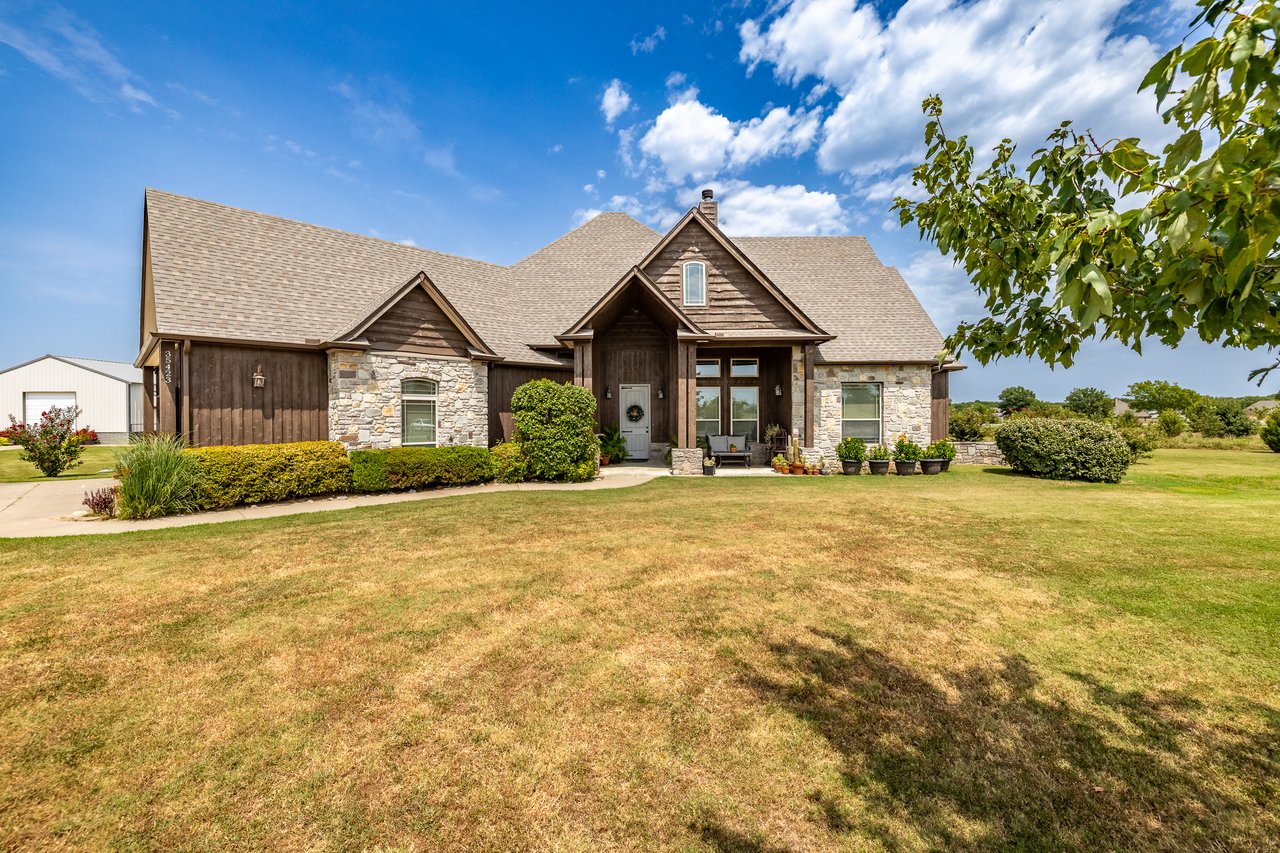
- Curb appeal: First impression before buyers enter. Mow, edge, pressure wash the driveway and walkway, replace the front door mat, add seasonal potted plants, replace burned-out exterior bulbs. Cost: $200–$800 depending on condition.
- Lighting upgrades: Replace dated light fixtures in entry, kitchen, and dining areas. Modern lighting is inexpensive and makes an outsized visual impact. Cost: $300–$800 depending on how many fixtures.
- Hardware updates: Cabinet hardware in kitchen and bathrooms — pulls and knobs — is cheap to replace and modernizes the feel of outdated cabinetry without a full renovation.
- Carpet cleaning or replacement: Stained or worn carpet is a consistent buyer objection. Professional cleaning ($150–$300) handles minor issues; replacement ($1,500–$4,000 for typical rooms) addresses severe wear.
Oklahoma-Specific Preparation
Storm shelter: If you have one, make sure it's accessible, clean, and clearly visible during showings. In Oklahoma, a functional storm shelter is a genuine selling feature — highlight it.
Roof condition: Oklahoma's hail frequency means buyers and their inspectors pay close attention to roof age and condition. If your roof is over 15 years old or has visible damage, address it before listing or price accordingly and disclose proactively. A roof that fails inspection after you're under contract creates delays, renegotiation, and sometimes deal collapse.
HVAC: Service your HVAC system before listing and have the service record available. Buyers and inspectors ask about it. A recently serviced, well-maintained system is a point of confidence; an unmaintained one is an inspection concern waiting to happen.
Strategy #3: Professional Photography Is Non-Negotiable
Listing photos are where buyers decide whether to schedule a showing. In 2026, when virtually every buyer begins their search online and filters through dozens of listings before requesting a single visit, photography quality is a direct driver of showing traffic.
Phone photos — even well-composed ones — do not compete with professional real estate photography. The difference in how a room reads, how light is handled, and how space is communicated is significant and immediately visible to any buyer comparing multiple listings.
Professional real estate photography in Tulsa runs $150–$400 depending on home size and the photographer. For a home priced at $300,000+, it's a fraction of one percent of the sale price that directly affects how many buyers walk through the door.
Beyond Stills: Video and Aerial
For homes priced above $350,000, a professional listing video walkthrough has become a standard expectation in Tulsa's market — not a luxury. Buyers who are relocating, comparing multiple homes, or scheduling showings from a distance rely on video to make preliminary decisions.
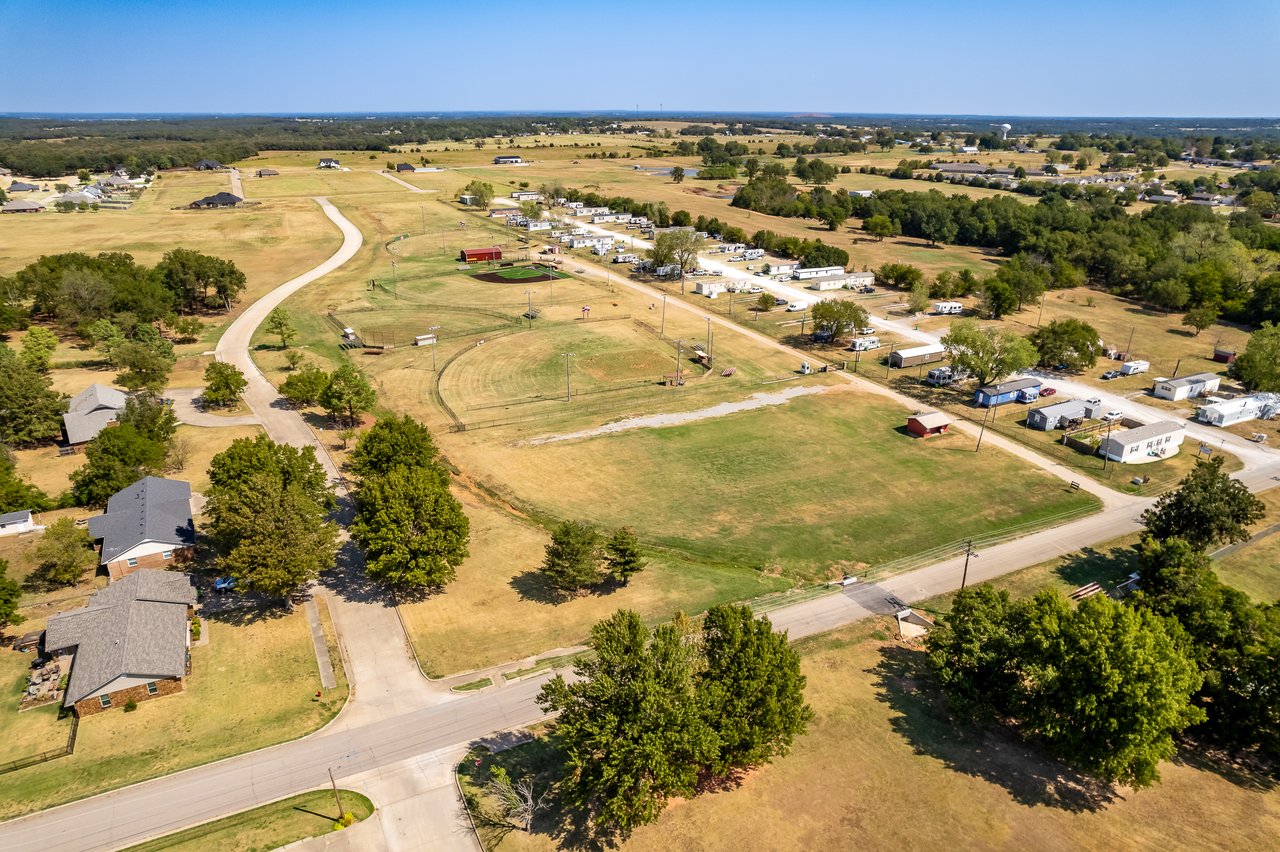
Drone aerial photography adds meaningful value for homes with significant lot size, acreage, distinctive exterior features, or proximity to natural amenities. The aerial perspective communicates what ground-level photography can't.
Strategy #4: Launch With Maximum Exposure
The day your listing goes live on the MLS is the most important day of your sale. The first 7–10 days of a listing generate disproportionate showing activity — buyers who've been waiting for the right home in your area are alerted immediately. That early traffic is your best chance at multiple offers.
Squander it with a soft launch — going live before photos are ready, before staging is complete, before marketing is prepared — and you've burned your best opportunity.
How to Maximize Launch Day
List on Thursday or Friday. Buyers typically schedule weekend showings on Thursday and Friday. A Thursday or Friday launch puts your listing in front of buyers at exactly the moment they're planning their weekend — maximizing the showing traffic in your critical first week.
MLS syndication: A properly entered MLS listing syndicates automatically to Zillow, Realtor.com, Trulia, and hundreds of other platforms. Confirm your listing is complete — full description, all photos loaded, all features accurately entered — before it goes live.
Agent network marketing: Your listing agent should proactively notify other active buyer's agents in the Tulsa market — through agent-to-agent email, broker network communications, and professional relationships — that your home is coming to market. Agents with active buyers who match your home's profile should know about it immediately.
Social media: A well-produced social media launch — professional photos, compelling copy, targeted reach — extends your listing's visibility beyond MLS buyers and captures interest from buyers who aren't yet working with an agent. This is a component of modern listing marketing that separates active agents from passive ones.
Open house: A well-executed open house in the first weekend captures buyers who prefer to see homes without the formality of a scheduled showing — and it creates social proof through visible foot traffic that signals demand.
Strategy #5: Make the Home Easy to Show
A home that's difficult to show — with restrictive showing windows, 24-hour notice requirements, or pets that require complex arrangements — generates fewer showings than one that's maximally accessible.
Buyers don't reschedule around difficult access requirements. They move on to the next listing.
Best practices for showing accessibility:
- Use a lockbox (electronic, agent-accessible) so showings can happen on the buyer's schedule, not yours
- Allow same-day showing requests whenever possible — buyers who want to see a home today are the most motivated buyers
- Vacate the home for every showing — buyers are significantly more comfortable and more honest with their agent when the seller isn't present
- Take pets with you or arrange secure, out-of-sight placement — buyer discomfort with pets in the home reduces showing quality and time spent
- Leave all lights on, window coverings open, and the home at a comfortable temperature before every showing
Strategy #6: Consider Strategic Concessions
In some market conditions, offering buyer concessions strategically can accelerate a sale without reducing your net proceeds as much as a price reduction would.
Closing cost concessions: Offering to contribute toward the buyer's closing costs reduces their out-of-pocket cash at closing — which is often a bigger obstacle than monthly payment for qualified buyers. A $5,000 closing cost credit may attract buyers who couldn't otherwise close, potentially generating an offer that a simple price reduction wouldn't.
Home warranty: Offering a one-year home warranty ($400–$600) gives buyers confidence about the first year of ownership — particularly helpful for older homes where buyers may have concerns about systems. The cost is low and the psychological value is high.
Rate buydown: In a higher interest rate environment, offering a seller-paid temporary or permanent rate buydown can make the monthly payment more accessible — a compelling offer to buyers who are payment-sensitive.
When to Consider Cash Buyer Options
iBuyers and cash home buyers operate in Tulsa's market and offer speed in exchange for price. If your timeline is extremely compressed — relocation with a fixed departure date, estate sale, or financial urgency — a cash offer from a direct buyer eliminates the listing process, inspection negotiations, and financing contingency risk entirely.
The tradeoff: cash buyers pay below market value — typically 5–15% below what a retail sale on the open market would produce. For some sellers, that discount is worth the certainty and speed. For most sellers with reasonable timelines, a well-prepared retail listing produces meaningfully better net proceeds.
Know your priority — maximum speed or maximum price — and choose your approach accordingly. A good listing agent will give you an honest assessment of both options rather than steering you toward the one that serves their interests.
Frequently Asked Questions
Q: How long does it take to sell a house in Tulsa in 2026?
Well-priced, well-prepared Tulsa homes in desirable areas and price ranges routinely go under contract within 7–21 days of listing. The total time from list to close — including the contract period — typically runs 45–60 days. Overpriced or poorly prepared homes can sit 60–120+ days before selling, often at reduced prices.
Q: What is the best time of year to sell a house fast in Tulsa?
Spring — late March through June — is historically Tulsa's strongest selling season. Buyer activity is highest, inventory is most competitive, and homes priced correctly often generate multiple offers. Fall (September–October) is a secondary strong period. Winter listings face less competition but also less buyer traffic. The "best" time to sell is when you're ready and when your home is properly prepared — a well-positioned home sells in any season.
Q: Should I make repairs before listing or sell as-is in Tulsa?
It depends on the scope and cost of needed repairs relative to the likely price impact. Minor repairs and cosmetic improvements almost always return more than their cost in sale price. Major structural or mechanical issues are more nuanced — some sellers prefer to price transparently and sell as-is; others find that addressing the issue before listing generates a better net result. Your agent should help you run the math on specific repairs before deciding.
Q: Does staging really help sell a house faster in Tulsa?
Yes — consistently. Staged homes photograph better, show better, and generate stronger emotional responses from buyers. The decluttering and deep cleaning components of staging alone produce measurable results. Professional staging (rented furniture for vacant homes) is most impactful for higher-priced listings; for occupied homes, the DIY approach in our staging guide delivers most of the benefit at minimal cost.
Q: What should I disclose when selling my home in Tulsa?
Oklahoma's Residential Property Condition Disclosure Act requires sellers to disclose known material defects — issues that would affect a buyer's decision or the property's value that might not be discoverable through a reasonable inspection. Proactive, complete disclosure protects sellers legally and builds buyer trust. Your agent will walk you through the specific disclosure requirements and forms.
Conclusion
Selling fast in Tulsa isn't about luck or market conditions — though those matter at the margins. It's about making the right decisions on price, preparation, presentation, and launch strategy before the sign goes in the yard. Do those things well and speed follows. Skip them and you'll be doing price reductions in 45 days wondering what went wrong.
The sellers who get it right aren't the ones who list fastest. They're the ones who prepare smartest.
Ready to Sell Your Tulsa Home? MORE Agency Will Get It Done Right.
Speed and price aren't opposites — the right strategy delivers both. At MORE Agency, we prep sellers before we list them, market listings like they deserve to be marketed, and negotiate offers to get you the best result the market will bear.
Contact MORE Agency for a seller consultation and let's talk about what your home is worth and how quickly we can make it happen.