Is Tulsa Remote the Right Move for You?
Is Tulsa Remote the right move? Yes, if you hold a full-time remote job or self-employment outside Oklahoma, will live inside Tulsa city limits, and can front relocation costs before the $10,000 grant arrives. It's a weaker fit if you want a suburb like Jenks or Broken Arrow, because those fall outside the program's City of Tulsa requirement. Recent local market data shows a $250,000 median sale price for homes sold in Tulsa over roughly the last 90 days, so the housing side is usually workable. The program rules are where people get tripped up.
Key Takeaways
- Tulsa Remote offers a $10,000 grant and a 36-month coworking membership, but the grant is paid only after you've moved and met the program's conditions.
- The program requires residence inside the City of Tulsa, so addresses in Jenks, Bixby, Broken Arrow, and Owasso don't satisfy it.
- Homes sold in Tulsa over roughly the last 90 days to October 2026 had a median sale price of $250,000, and recently sold homes went under contract in a median of 12 days.
- If you buy through the program, the home must be your primary residence for one year after closing and can't be used as income property during that year.
- You'll front travel, temporary housing, inspection, and moving costs before any reimbursement or disbursement, so plan your cash ahead of the grant.
Who qualifies for Tulsa Remote, and what does it actually pay?
You qualify if you're at least 18, authorized to work in the United States, employed full-time in a remote position outside Oklahoma (or self-employed outside Oklahoma), and you've lived outside Oklahoma for at least one full year before applying, per the Tulsa Remote program details. In return, you get a $10,000 grant, a 36-month coworking-space membership, housing-search resources, wellness benefits, and community-building events.
It is not a job-placement program. It's built for people who keep an existing remote job or qualifying self-employment after the move. Before you apply, confirm that your employer permits work from Oklahoma and that payroll, benefits, tax-withholding, and state-registration policies allow it.
How long does the Tulsa Remote process take?
Plan on about four weeks for application review. Finalists may then face a virtual interview, a background check, and income verification, which the program says can take up to three weeks after the background check begins, according to the Tulsa Remote FAQ. You also have to relocate within 12 months of approval.
That timeline is why we'd start the housing conversation while your application is still in review, not after approval lands.
What doesn't the grant cover up front?
The grant is not immediate cash. It's disbursed after you've moved, signed a qualifying lease or purchased an approved home, and attended member orientation. Until then, you're fronting travel, temporary housing, inspections, moving, deposits, and other expenses.
Accepted finalists can also take a curated three-day hosted visit, and the program says it will reimburse the finalist and one guest up to $500 in travel expenses, per the Tulsa Remote hosted visit page. It's a low-risk way to test the city before you commit to a lease or a purchase.
Is Tulsa Remote the right move if you plan to buy a home?
It can be, as long as the home is inside the City of Tulsa, you own it, and you live there as your primary residence for one year after closing. Accepted members who buy a qualifying owner-occupied home may receive the full $10,000 as one lump sum after the purchase and member orientation, per the program FAQ. The home can't be used as an income-producing property during that first year, so a duplex you plan to rent out is not the play.
What does the Tulsa housing market look like right now?
Here's the citywide picture from recent local market data, all measured for Tulsa:
- Homes sold in Tulsa over roughly the last 90 days to October 2026 had a median sale price of $250,000.
- Recently sold homes went under contract in a median of 12 days.
- There are 1,524 homes for sale now, with 469 new listings in the last 30 days.
- A total of 1,321 homes sold in that roughly 90-day window.
That's a market with real choice, and well-priced homes move quickly. These are area-level figures. Your block, build year, and condition will move the number for any individual home. We pull the MLS data behind every claim before we put it in front of a client, and we'd rather show you the numbers for your target pocket than a citywide average.
Do suburbs like Jenks and Broken Arrow qualify?
No. The program requires residence within Tulsa city limits, not just somewhere in the metro, so a home in Jenks, Bixby, Broken Arrow, Owasso, or another surrounding municipality would not satisfy the home-location requirement. Here's what two of those suburbs look like for comparison:
Area | Median Sale Price |
|---|---|
Jenks | $387,500 |
Broken Arrow | $290,000 |
These are area-level medians, and an individual home's value varies by condition, street, and timing. The takeaway is that staying inside the city limits isn't a premium choice in this market. If a suburb is what you want, our look at living in Jenks covers that market, but it won't satisfy this program.
One more caution: Tulsa County statistics include homes outside the city limits, so never use county data to judge program eligibility. Tulsa addresses also get written inconsistently, even in our own records, so verify the exact address with the program before you write an offer.
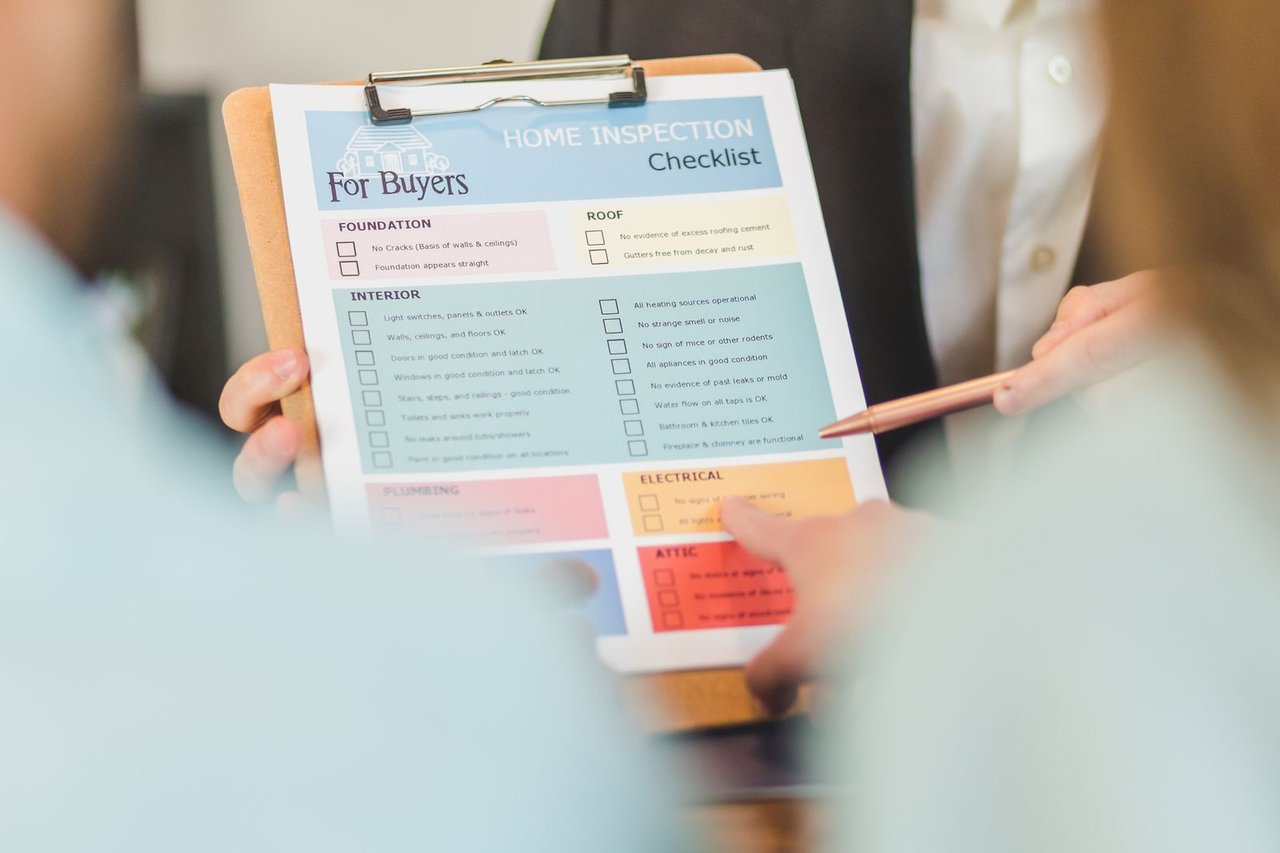
What should you check on a Tulsa home before you offer?
The housing stock is unusually varied for a market this size. Within about fifteen minutes you can go from a 1920s Maple Ridge home to a Brookside bungalow to a walkable Renaissance Park house under $350K. That range is why "the Tulsa market" is too broad a statement to be useful, and why we break it down by pocket. Check these before you offer:
- Property taxes. Oklahoma's 5% annual assessment cap resets when a property sells, so the seller's current tax bill understates what you should expect. Ask us to run the numbers for your target address.
- The roof. Tulsa gets hail. When we see six of seven roofs on a street replaced in two years, we don't think "well maintained," we think "there was a claim, let's go check it."
- Builder incentives. Rate buy-downs are a regular feature on new builds, and most buyers don't know they exist. If a new build is on your list, confirm it sits inside the City of Tulsa first.
- The one-year rule. Pick a home you'll actually live in, because the program requires owner-occupancy and no rental income for a year after closing.
Buying in a city you've seen on a three-day visit calls for someone who does this full time. Your specific numbers depend on the home, the block, and your lender, and that's where a local consultation earns its keep.
How do you decide before you commit to the move?
Run a short checklist before you apply or sign anything: confirm your employer allows work from Oklahoma, confirm your target address is inside the City of Tulsa, line up cash for upfront costs, and use a visit to test the neighborhoods. In order:
- Check your job's portability. Ask HR about payroll, benefits, tax withholding, and state registration for an Oklahoma-based employee.
- Decide rent or buy. The grant works with a qualifying lease or an approved owner-occupied purchase, but the one-year occupancy rule changes how you'd think about a purchase.
- Budget the gap. The grant arrives after you've moved, so you need funds for travel, temporary housing, inspections, moving, and deposits first. Talk to a lender about what you can borrow.
- Compare by block, not by city. Housing age, lot size, flood exposure, walkability, and commute can differ within a few streets.
- Use the hosted visit. If you reach finalist status, spend that time on the actual streets you'd consider, at different times of day, and drive the route to your coworking space.
For the broader picture, see our guide to what to know before you relocate to Tulsa. If you want to understand the demand behind the market you're moving into, read why so many people are moving to Tulsa.
So, is Tulsa Remote the right move? It fits best if you want flexibility and an organized way to build local connections, not just a cheaper housing market. If you only want lower prices, you can get that without the program's rules.
Don't just take our word for it. You can read what past clients say in our Google reviews.
FAQ
Is Tulsa Remote still accepting applications in 2026?
Check the program's own application page for current status, because open windows are set by Tulsa Remote, not by us. What the published process tells you is that review takes about four weeks and approved applicants must relocate within 12 months of approval.
Can I use the Tulsa Remote grant to buy a house?
Yes. Accepted members who buy a qualifying owner-occupied home in the City of Tulsa may receive the full $10,000 in one lump sum after closing and member orientation. The home must be your primary residence for one year after closing and can't be used as income property during that time.
Can I keep my current job after moving to Tulsa?
Yes, and you need to. The program is designed for people who keep a full-time remote job outside Oklahoma or qualifying self-employment after the move. That is the core of the program: Tulsa Remote is not a job-placement program, it is a relocation program for people who bring their existing work with them.
Before you commit, confirm with your employer that working from Oklahoma is permitted, including payroll, benefits, tax withholding, and state registration. If the job side checks out, your target address sits inside the City of Tulsa, and you have the cash to cover costs until the grant arrives, Tulsa Remote can be a strong way to land in a city with a $250,000 median sale price and a built-in community from day one.
Thinking about the move? Talk to us about the neighborhoods inside city limits that fit your budget and your work-from-home life.
MORE Agency · (918) 884-7718 Equal Housing Opportunity. Carol Brown, Broker/Co-Founder, License #147346, regulated by the Oklahoma Real Estate Commission. This article is general information, not legal, tax, or financial advice; confirm your own numbers with your title company, tax advisor, or lender. All information is deemed reliable but not guaranteed and should be independently reviewed and verified.