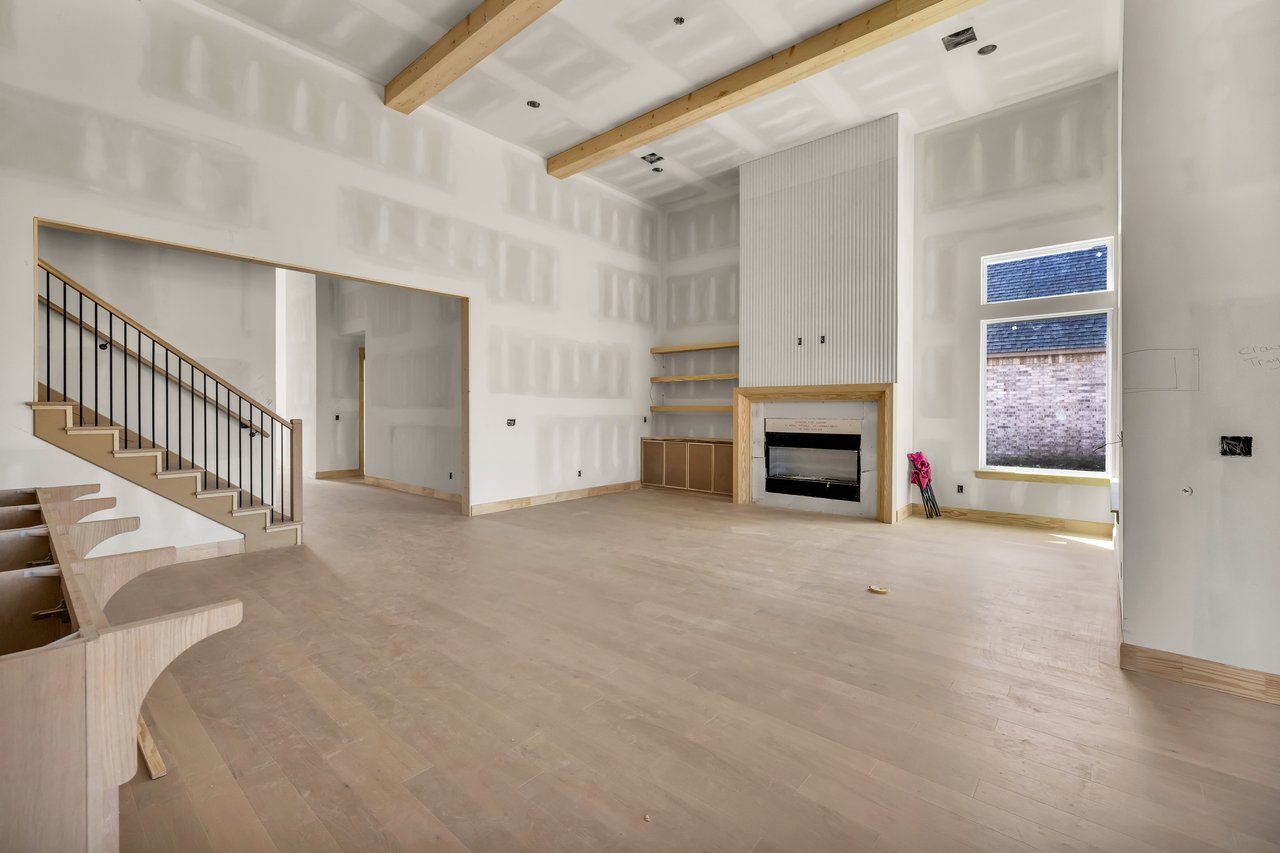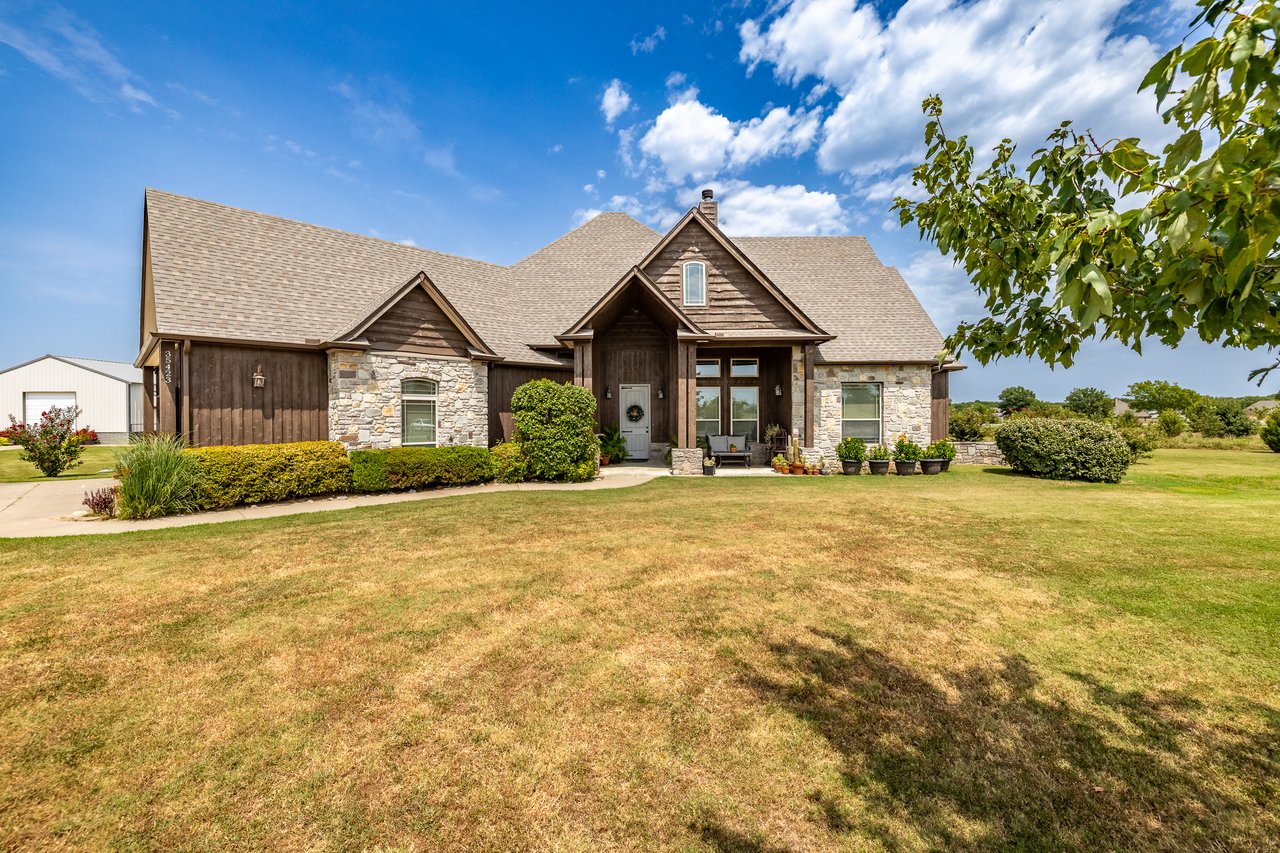
New construction has a gravitational pull that's hard to explain rationally. Everything is clean. Nothing is broken. Nobody lived here before you. The finishes are current, the appliances are fresh, and the builder is handing you a warranty. For a lot of buyers, that combination is the dream.
It's also a purchase that comes with a distinct set of tradeoffs, risks, and negotiating realities that buyers don't always see until they're already committed. The builder's sales office is not a neutral environment. The contract you're signing was written by the builder's lawyers. And the community that looks like a quiet neighborhood on opening day may look very different three years into buildout.
None of that means new construction is the wrong choice. For many buyers in Tulsa, it's the right one. But making that decision clearly — with both the advantages and the complications on the table — is how you end up satisfied rather than surprised.
The Tulsa New Construction Landscape in 2026
Tulsa's new construction market in 2026 is concentrated in the suburban growth corridors that have been expanding steadily for the past decade: south Bixby, outer Broken Arrow, Owasso's growing north side, and the southeast Tulsa fringe toward Coweta and Wagoner County.
Major builders active in the Tulsa metro include national names — D.R. Horton, Lennar, Rausch Coleman — alongside strong regional and local builders who have built significant market share in specific communities. Price points range from entry-level production homes in the $200,000s to semi-custom and custom builds well above $500,000.
The new construction market in 2026 sits in a more balanced position than 2021–2022, when builders had waiting lists and buyers were paying above list price on homes not yet started. Builders today are more negotiable — on upgrades, closing cost incentives, and timeline flexibility — than they were at the peak. That's a buyer-favorable shift worth understanding how to use.
The Pros of Buying New Construction in Tulsa
Everything Is New — and That Has Real Financial Value
The most obvious advantage is the one that's easiest to undervalue: buying new means buying without the accumulated deferred maintenance of a prior owner's decisions. New roof. New HVAC. New plumbing and electrical. New water heater. New appliances.
Those systems don't just feel better — they have meaningful financial implications. A resale home with a 15-year-old HVAC system, a 20-year-old roof, and a water heater approaching end-of-life carries a near-term capital expenditure liability that should factor into the purchase price. A new home doesn't — at least not for the first several years.
For buyers who don't have the cash reserves or the appetite for near-term repairs, buying new eliminates the most common first-year ownership surprises.
Builder Warranties Provide Real Protection
New homes in Oklahoma typically come with layered warranty coverage:
1-year workmanship warranty: Covers defects in materials and workmanship — paint, flooring, trim, fixtures, and finish items. Gives you a year to identify anything that wasn't done right.
2-year systems warranty: Covers mechanical, electrical, and plumbing systems — HVAC, electrical panel, plumbing lines. If a system fails in year two, the builder addresses it.
10-year structural warranty: Covers major structural defects — foundation, load-bearing walls, roof framing. Structural warranty coverage provides meaningful protection against the category of failure that matters most.
Not all builder warranties are equal — read the specific coverage, exclusions, and claim process before closing. Some builder warranties are backed by third-party warranty companies; others are the builder's own obligation. Know which you have and what it actually covers.
Modern Design, Energy Efficiency, and Code Compliance
New construction is built to current building codes — which in Oklahoma means current energy efficiency standards, current electrical requirements, current plumbing and HVAC standards. Older homes, even well-maintained ones, often have systems that predate current code requirements and may require updates for insurance or lending purposes.
Energy efficiency in particular has improved dramatically in new construction over the past decade. Better insulation, more efficient HVAC systems, low-e windows, and tighter building envelopes translate to lower monthly utility costs — a real ongoing savings that partially offsets the new construction premium.
Modern floor plans also reflect how people actually live in 2026 — open concept living, primary suite separation from secondary bedrooms, dedicated home office space, larger garages. Resale homes built in earlier decades may have layouts that don't match current lifestyle expectations.
Customization Options
Buying new construction — particularly from a production builder during pre-sale — often gives buyers meaningful input on finishes: flooring material and color, cabinet style and hardware, countertop selection, exterior color package, fixture choices. You're selecting from the builder's available options rather than designing from scratch, but the result is a home that reflects your preferences rather than a prior owner's.
The customization window is typically available for homes purchased in the early framing stage or before construction begins. Purchasing a completed spec home eliminates this option — what you see is what you get.
No Chain — Fewer Transaction Complications
New construction purchases don't depend on a seller's simultaneous purchase, a prior divorce being finalized, or an estate being settled. There's no seller whose circumstances can derail your closing. The transaction complexity is different — builder-specific and construction-timeline dependent — but it doesn't involve the chain-of-ownership complications that resale transactions sometimes do.
The Cons of Buying New Construction in Tulsa
The Price Premium Is Real
New construction commands a premium over comparable resale homes in the same area — typically 10–20% depending on the builder, community, and specific features. That premium reflects the cost of new materials, current labor rates, builder profit margin, and the value buyers place on newness itself.
In Tulsa's market, that premium matters. A resale home in Broken Arrow at $285,000 and a new construction home in the same general area at $330,000 may have comparable square footage — but the new home carries $45,000 of premium that takes time to recover through appreciation.
Buyers who prioritize maximum space or location for their budget often find resale more competitive. Buyers who prioritize condition, modernity, and warranty coverage find new construction worth the premium.
Unfinished Communities and Missing Amenities
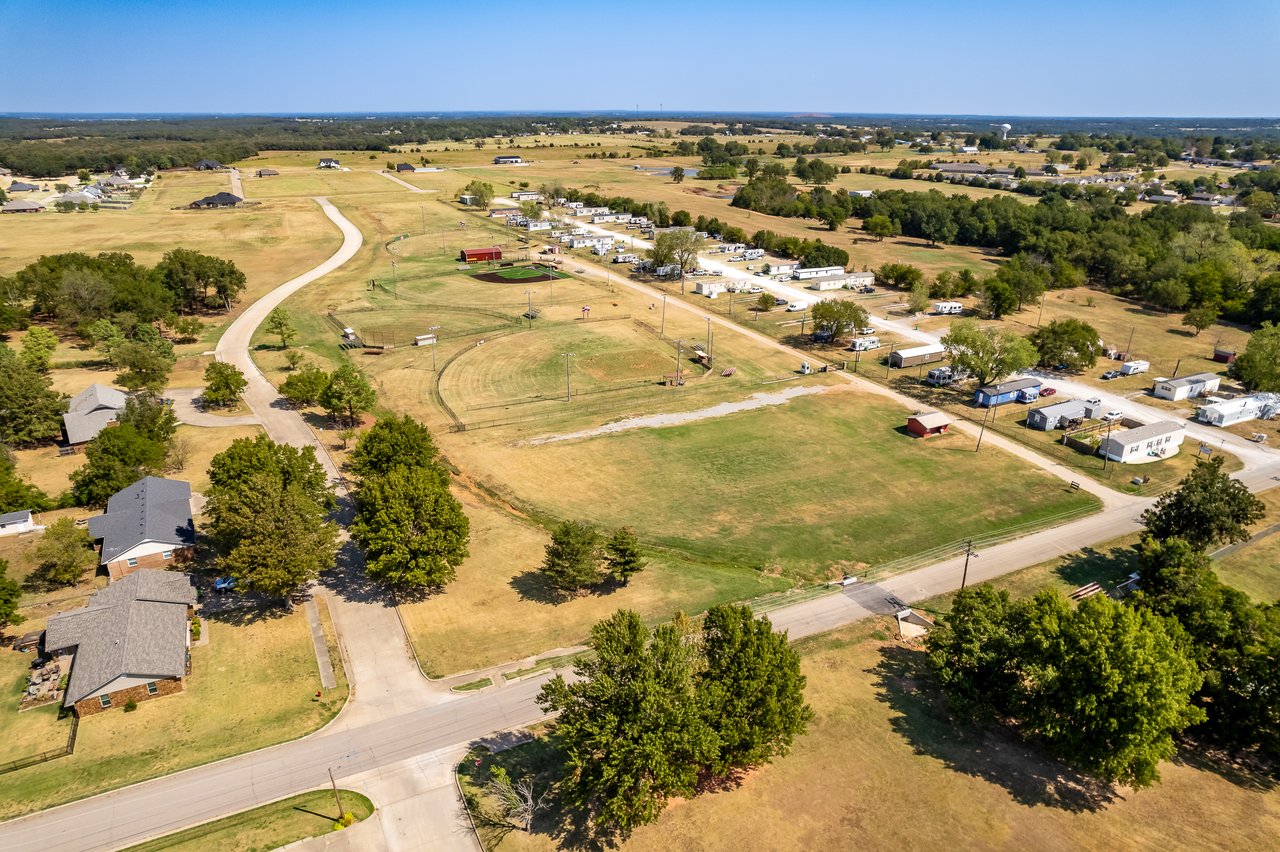
Buying into a new development means buying into an unfinished community. The neighborhood that looks serene on opening day — with a few model homes and nicely landscaped entrances — may look like a construction zone for the next three to five years as the rest of the development is built out.
What buyers don't always anticipate:
- Construction traffic and noise for extended periods
- Neighbors who are also in construction-related disarray
- Promised amenities — pool, clubhouse, walking trails — that aren't built yet
- The community character that the builder's marketing envisions may take years to materialize
Ask the builder specifically: what is the buildout timeline? When are amenities expected to be complete? How many lots are sold? How many homes are under construction? What does the entry look like during buildout?
Young Trees and Immature Landscaping
This sounds trivial. It's not — not in Oklahoma, where mature tree cover provides meaningful summer shade that reduces cooling costs and creates a neighborhood quality that bare ground and 2-inch caliper saplings can't replicate for a decade.
Established Tulsa neighborhoods with mature trees offer a livability quality that new developments genuinely lack for years. Buyers who spend time in Midtown Tulsa or older South Tulsa neighborhoods before visiting new construction communities sometimes notice this difference viscerally. It's not a reason not to buy new — but it's a real characteristic of the tradeoff.
Builder Contracts Are Written for the Builder
The contract you sign to purchase new construction in Tulsa was written by the builder's attorneys to protect the builder's interests. It is not a balanced document. Common builder-favorable terms buyers should review carefully:
Closing date flexibility: Builders typically reserve the right to extend the closing date significantly without buyer recourse. You may be committed to a specific move-out date from your current home while the builder has multiple months of schedule flexibility.
Change order costs: Modifications to the original scope after a certain construction stage can carry significant markup. The cost of changes is typically much higher than the apparent material cost would suggest.
Earnest money and deposit terms: Builder deposits are often larger than resale earnest money and may be non-refundable after specified milestones, even if you can't close due to financing changes.
Warranty exclusions: Builder warranties contain exclusions — soil movement, acts of nature, settlement within defined tolerances — that matter in Oklahoma's clay soil environment. Know what's excluded before you're relying on warranty coverage.
Dispute resolution: Many builder contracts include mandatory arbitration clauses that limit your ability to pursue legal remedies through the court system.
Have a real estate attorney or experienced buyer's agent review the contract before you sign. This is not optional for a purchase of this size.
The Preferred Lender Pressure
Builders almost always have preferred or affiliated lenders — and they use financial incentives (closing cost credits, upgrade packages, rate buydowns) to steer buyers toward those lenders. The incentives are real and can be valuable. The risk: the preferred lender may not offer the most competitive rate or terms on the broader market.
Compare the preferred lender's offer to at least one outside lender before deciding. Calculate whether the incentives offered through the preferred lender outweigh any rate or fee disadvantage. Sometimes they do — sometimes the math favors outside financing plus a smaller concession.
Appraisal Risk in New Developments
New construction in a developing community sometimes appraises below the contract price — particularly in the early stages of buildout when there are limited comparable sales to support the builder's pricing. Lenders require appraisals that support the purchase price, and gaps create complications.
Ask your agent and lender about appraisal risk for the specific community and builder. Experienced local lenders have appraisal histories with active Tulsa builders and can flag communities where appraisal gaps are common.
What You See in the Model May Not Be What You Get
Model homes are the builder's best presentation — upgraded finishes, premium fixtures, professional staging, landscaping that may exceed the standard package. The features on display are often upgrades that cost extra. What's included at the base price may look considerably different.
Get a specific list of what's included in your base price before you fall in love with the model. Understand which finishes are standard and which are upgrades with associated costs. The upgrade sheet is where builders make significant additional margin — and where buyers sometimes end up committing to costs that weren't in their original budget.
How to Buy New Construction Wisely in Tulsa
Bring Your Own Agent
Builder sales agents represent the builder. They are professional, knowledgeable, and genuinely helpful — but their fiduciary duty is not to you. Bring your own buyer's agent to represent your interests from the first visit.
Most Tulsa builders will work with buyer's agents and compensate them through the transaction — but you typically need to register your agent on your first visit to the community. If you visit a new construction community without your agent and later want representation, the builder may decline to recognize the agency relationship. Bring your agent from day one.
Your agent will review the contract, advise on upgrade selections, monitor construction progress, and attend the pre-closing walkthrough — all functions that protect your investment through a transaction that looks simpler than resale but has its own complex terrain.
Negotiate the Right Things
Builders rarely discount base price on active communities with strong demand — they have future lots to protect pricing on. What they negotiate: upgrade packages, closing cost contributions, rate buydowns through their preferred lender, appliance packages, and lot premiums on less desirable lots.
End of quarter is often the best time to negotiate — builders managing sales targets are more motivated to offer incentives when they're working against a closing deadline. Ask directly what incentives are available and whether they change if you close by a specific date.
Get a New Construction Inspection
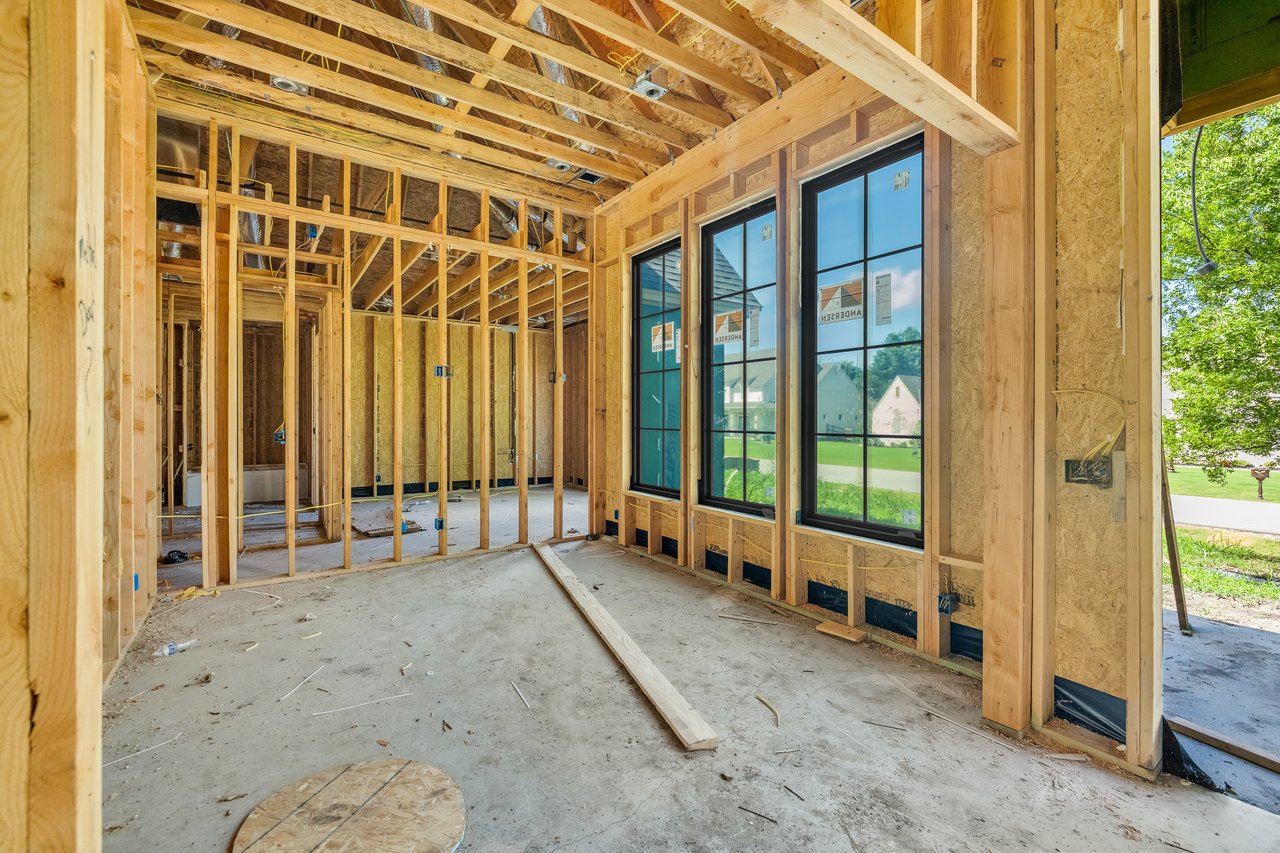
New doesn't mean perfect. Construction quality varies by builder, subcontractor, and supervisor. A third-party inspection — conducted by a licensed Oklahoma home inspector independent of the builder — at key construction milestones (framing, pre-drywall, final) identifies issues while they're still accessible and correctable.
Some buyers skip inspections on new construction because they assume quality control is handled by the builder and city inspections. City inspections check code compliance, not quality. Builder superintendents are managing multiple trades and tight timelines. Independent inspections catch real issues regularly — and catching them before walls are closed is exponentially better than discovering them after.
Understand the HOA Before You Commit
New construction communities in Tulsa almost universally have HOAs — and the HOA governing documents, budget, and CC&Rs are often still being finalized when early buyers are signing contracts. Review what's available, ask specific questions about the projected HOA budget and reserve plan, and understand that the developer controls the HOA initially — transition to homeowner control happens over time as the community builds out.
Frequently Asked Questions
Q: Is new construction more expensive than resale in Tulsa?
Generally yes — new construction carries a 10–20% premium over comparable resale homes in the same area. The premium reflects current material and labor costs, builder margin, and the value buyers place on new condition and warranty coverage. Whether that premium is worth it depends on your priorities and the specific comparison.
Q: Can I negotiate the price on new construction in Tulsa?
Builders rarely reduce base price on in-demand communities — they need to protect pricing for future lots. Negotiation happens on incentives: upgrade packages, closing cost credits, rate buydowns, appliance packages, and lot premiums. End of quarter often produces the best incentives as builders work toward sales targets.
Q: Do I need a home inspection on new construction in Tulsa?
Yes — strongly recommended. New construction is not automatically defect-free. Independent inspections at framing, pre-drywall, and final stages catch construction quality issues while they're still correctable. City inspections check code compliance, not quality; builder superintendents are managing multiple projects simultaneously. An independent inspector protects your investment.
Q: How long does new construction take to close in Oklahoma?
Timeline varies significantly by stage of construction at purchase. A home already under construction may close in 30–90 days. A home purchased in the pre-sale or early framing stage may take 6–12 months to complete. Builder contracts include timeline provisions that typically give the builder flexibility to extend. Understand the timeline and any penalty provisions before committing.
Q: Should I use the builder's preferred lender in Tulsa?
Compare the preferred lender's offer — including any incentives — against at least one outside lender before deciding. Builder incentives tied to the preferred lender can be genuinely valuable (closing cost credits, rate buydowns, upgrade packages), but the math should be verified rather than assumed. Sometimes the preferred lender plus incentives wins; sometimes outside financing with a smaller negotiated concession is better.
Conclusion
New construction in Tulsa is a legitimate, often excellent choice for buyers who value modern design, warranty protection, and the satisfaction of being the first owner. It's also a purchase that rewards buyers who go in with clear eyes — who understand the contract, compare the preferred lender, bring their own agent, and get independent inspections.
The buyers who regret new construction are almost always the ones who were seduced by the model home and signed the contract without reading it. The buyers who love it are the ones who understood what they were buying and made the decision deliberately.
Considering New Construction in Tulsa? MORE Agency Will Represent You the Right Way.
Builder sales offices are designed to close deals — not to advocate for you. MORE Agency buyer's agents represent new construction buyers throughout the Tulsa metro, from the first community visit through final walkthrough and closing. We know the builders, the contracts, and the questions that protect you.
Contact MORE Agency for a new construction buyer consultation — and let's make sure the home you're building is the investment you're expecting.