Before you fall in love with a house, check the HOA fees. Seriously — we've seen buyers get sticker shock at closing over a monthly bill they didn't factor in, and we've seen others skip past a neighborhood they would have loved because they assumed HOA meant headaches. Both are avoidable mistakes.
Homeowners association fees are one of the most misunderstood line items in a home purchase — and in Tulsa's market, they vary wildly. Some neighborhoods charge $50 a month for basic lawn care of common areas. Others charge $400+ and include a resort-style pool, fitness center, security gates, and a full maintenance team. Neither is inherently good or bad. The question is whether what you're paying for matches what you actually want.
Here's a clear-eyed breakdown of how HOA fees work in Tulsa, what they typically cover, what they don't, and how to evaluate whether a specific HOA is worth your money.
What Is an HOA and Why Do They Exist?
A homeowners association is a private organization that governs a residential community — typically a planned subdivision, condominium complex, or townhome community. When you purchase a home in an HOA-governed community, membership is mandatory. You agree to follow the association's rules (called Covenants, Conditions & Restrictions, or CC&Rs) and pay the required dues as a condition of ownership.
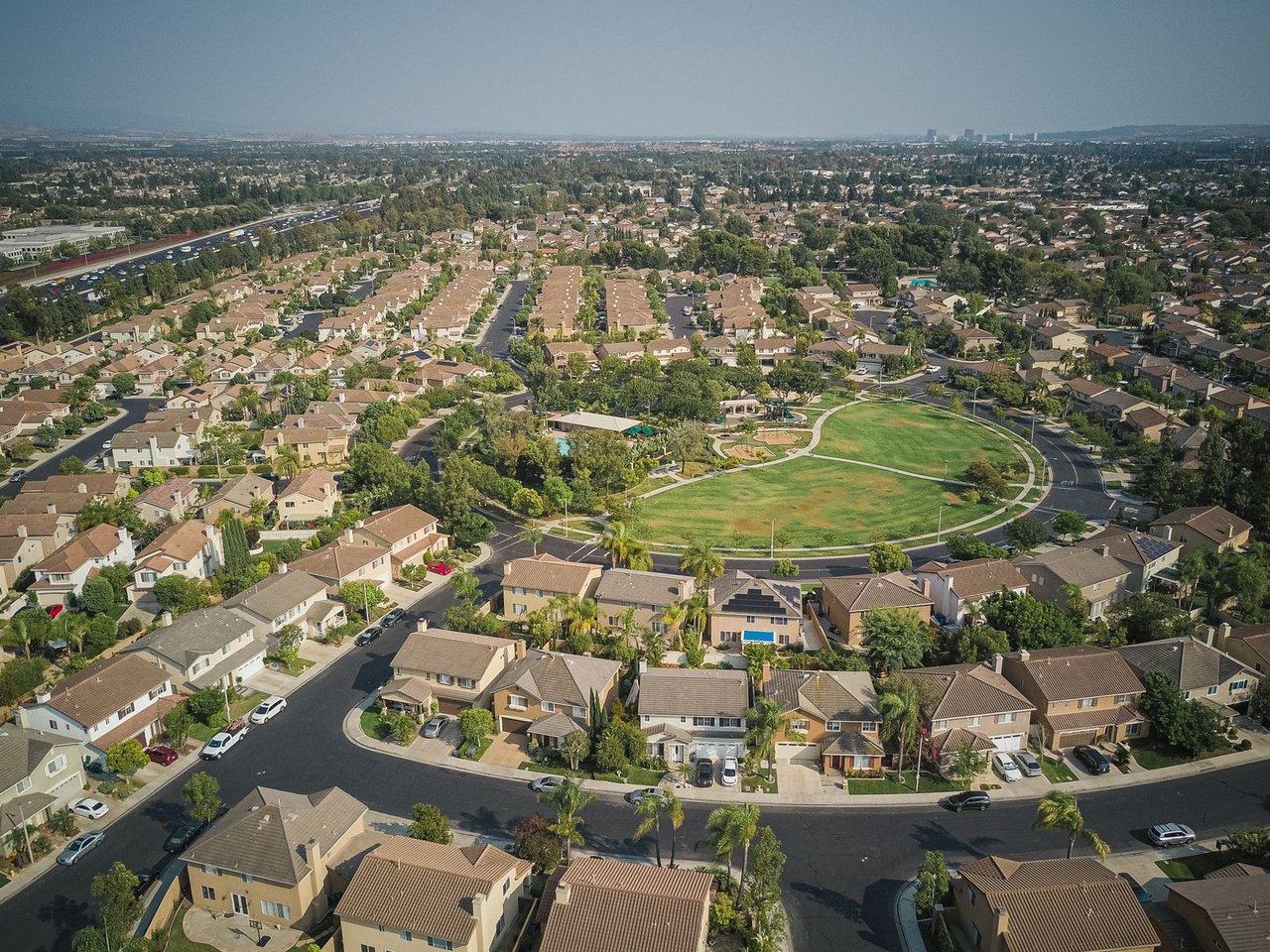
HOAs exist for a practical reason: shared spaces and community standards require shared funding and coordination. If a subdivision has a pool, playground, walking trail, and entrance landscaping, someone has to pay to maintain them — and that's what dues are for. The alternative is either no amenities or individually negotiated maintenance arrangements, which tend to produce inconsistent results.
The HOA is governed by a board of directors — typically volunteer homeowners elected by the community — who make decisions about budgeting, rules enforcement, and major projects. Some HOAs hire professional property management companies to handle day-to-day operations; smaller HOAs are often self-managed by board members.
What HOA Fees Typically Cover in Tulsa
This varies significantly by community, but here's what HOA fees commonly fund in Tulsa neighborhoods:
Amenity Maintenance and Operations
The most visible HOA expense. Communities with amenities — pools, fitness centers, clubhouses, tennis courts, playgrounds — must maintain, insure, and operate them. A neighborhood pool alone can cost $30,000–$60,000 per year to operate properly when you account for chemicals, utilities, lifeguard staff (if any), maintenance, and insurance.
Buyers who won't use the amenities often resent paying for them. Buyers who will use them regularly are often getting genuine value.
Common Area Landscaping
Entrance monuments, median landscaping, walking trail maintenance, pocket parks, and decorative common areas are typically HOA-funded. In Tulsa's larger planned communities — South Tulsa neighborhoods like Cedar Ridge, Bixby's River District-area developments, and Owasso's planned subdivisions — this landscaping is often a significant quality-of-life contributor that maintains neighborhood appeal and property values.
Community Security Features
Gated communities — common in certain South Tulsa and Jenks-area developments — include gate operations and maintenance in HOA fees. Some communities fund security patrol services as well.
Exterior Maintenance (Condo and Townhome HOAs)
In condominium and townhome communities, HOA fees often cover significantly more than they do in single-family neighborhoods. Exterior maintenance — siding, roofing, painting, gutters — is frequently the HOA's responsibility. Lawn care may be included. Sometimes exterior insurance is bundled into dues.
This is where buyers need to read the documents carefully: "what the HOA covers" in a condo community can mean you're paying for roof replacement through your dues rather than out of pocket — which is either a feature or a drawback depending on how you look at it.
Reserve Fund Contributions
Responsible HOAs collect more than just operating costs — they contribute to a reserve fund that covers major future expenses: roof replacement, pool replastering, parking lot resurfacing, clubhouse renovation. An HOA without adequate reserves is a financial risk: when major expenses arise and reserves don't cover them, the board can levy a special assessment — a one-time charge to all homeowners on top of regular dues.
Special assessments can be painful. We've seen them range from a few hundred dollars to several thousand per homeowner. A well-funded reserve fund protects owners from that exposure. When evaluating an HOA, ask for the most recent reserve study — it tells you how well-funded the reserves are and what major expenses are projected.
What HOA Fees Generally Do NOT Cover
This is where buyers are sometimes surprised. Even in communities with HOA fees, homeowners are typically responsible for:
- Their own homeowners insurance (the HOA carries insurance for common areas and sometimes building exteriors in condo communities, but not your personal property or individual unit liability)
- Individual home maintenance — your roof, HVAC, plumbing, and interior repairs are your responsibility
- Individual lot landscaping — in most Tulsa single-family HOA communities, the HOA maintains common areas but you maintain your own yard
- Utility costs — water, electricity, and gas to your home are not typically included in single-family HOA dues (though some condo HOAs include water/trash)
- Pest control — typically an individual homeowner expense
- Special assessments — as noted above, these are additional charges beyond regular dues when major unexpected expenses arise
HOA Fee Ranges in Tulsa: What to Expect
Tulsa-area HOA fees span a wide range depending on community type, amenities, and location:
$50–$150/month — Basic communities with minimal shared amenities. Common areas are maintained but there's no pool or clubhouse. Fees cover landscaping, signage, and reserve contributions. Typical of many established Tulsa subdivisions in Midtown, East Tulsa, and older South Tulsa neighborhoods.
$150–$300/month — Mid-range communities with shared amenities — a pool, playground, and clubhouse are common. Reserve contributions are more substantial. Typical of newer South Tulsa and Broken Arrow planned subdivisions built in the 2000s–2010s.
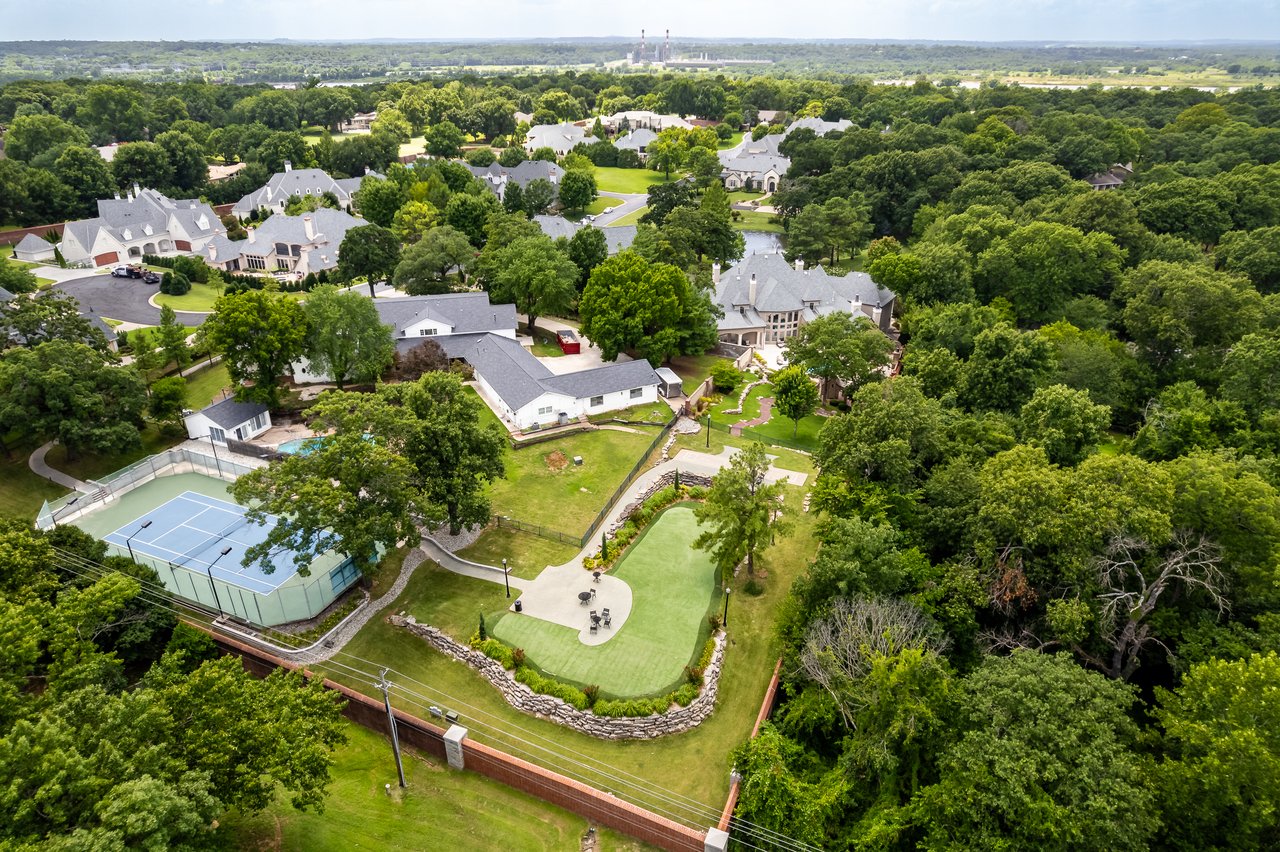
$300–$500+/month — Amenity-rich communities with resort-style pools, fitness centers, walking trails, gated access, and professional management. Found in some of Tulsa's higher-end planned communities and luxury townhome developments.
$200–$600+/month (condos and townhomes) — The range is wide because the scope of what's covered varies enormously. A condo HOA that covers exterior insurance, roof, siding, water, trash, and building maintenance can justify $500/month. One that only covers basic common area upkeep at $250/month may actually be overpriced for what you're getting.
Always ask for a current breakdown of what dues cover and request the most recent budget.
The Real Question: Are HOA Fees Worth It in Tulsa?
That depends entirely on what you value — and how well the specific HOA is run.
Arguments For HOA Communities
Consistent neighborhood appearance. CC&Rs prevent the kind of property deterioration that can hurt your home's value — abandoned vehicles, overgrown lots, incompatible exterior modifications. In a non-HOA neighborhood, you have no recourse if your neighbor parks a boat in their front yard for five years.
Access to amenities you'd pay for anyway. A private gym membership in Tulsa runs $30–$80/month. A community pool membership can run $500–$800 per summer. If you'd use community amenities, the math often works in your favor.
Shared maintenance without individual coordination. Common areas are professionally maintained without you needing to organize or fund them individually. For buyers who want low-hassle living, that has genuine value.
Property value protection. Well-maintained HOA communities generally hold value better than comparable non-HOA neighborhoods because the maintenance and appearance standards are enforced consistently.
Arguments Against HOA Communities
Dues add to your monthly housing cost. A $250/month HOA fee is equivalent to roughly $50,000 in additional mortgage financing at current rates. That's real money that could go toward a larger home, a better location, or your investment portfolio.
You pay for amenities you don't use. If you're never going to use the pool, fitness center, or clubhouse, you're subsidizing your neighbors' enjoyment of those facilities.
Rules and restrictions. HOAs enforce CC&Rs — and some are more restrictive than others. Exterior paint colors, fence styles, storage shed placement, parking restrictions, holiday decorations, and short-term rental prohibitions are all common HOA rules. If you value full autonomy over your property, HOA restrictions can feel suffocating.
Board quality varies. An HOA is only as good as its board and management. Poorly run HOAs can have underfunded reserves, inconsistent enforcement, contentious politics, and assessments that blindside homeowners. This is why reviewing HOA financials before buying is essential — not optional.
HOA dues can increase. Dues are not fixed. The board can vote to raise them — typically subject to caps outlined in the governing documents, but increases happen. If you're budgeting tight, factoring in potential future increases matters.
How to Evaluate an HOA Before You Buy
Don't just accept that an HOA exists — evaluate its health. Here's what to request and review before committing to a purchase:
HOA governing documents — CC&Rs, bylaws, and rules and regulations. Read them. If restrictions on pets, rentals, parking, or exterior modifications matter to you, know what they are before you're under contract.
Current budget — Is the HOA operating within its means? Are reserves funded at an adequate level (generally 70%+ is considered healthy)? A budget operating at a deficit is a red flag.
Reserve study — The most recent reserve study shows the projected lifespan and replacement cost of major community components and whether current reserve contributions are on track. An underfunded reserve study means a future special assessment is likely.
Meeting minutes — HOA board meeting minutes reveal what's actually going on in the community — ongoing disputes, maintenance issues, enforcement actions, planned projects. They're a window into the real health of the community that documents alone don't provide.
Pending litigation — Ask directly whether the HOA is involved in any current or pending litigation. HOA lawsuits — against contractors, homeowners, or brought against the HOA itself — can affect your ability to obtain financing and indicate deeper community conflicts.
Special assessment history — Have there been special assessments in the past five years? How much? What for? This history tells you how well the community has been managed and whether the current reserve strategy is adequate.
Fee delinquency rate — A high percentage of homeowners delinquent on dues is a financial and community health warning sign. High delinquency rates reduce the HOA's revenue and can affect financing eligibility in condo communities.
HOA Rules and Oklahoma Law
Oklahoma HOAs are governed primarily by their own CC&Rs and bylaws, with oversight from the Oklahoma Residential Property Act and, for condominiums, the Oklahoma Condominium Act. Oklahoma law provides homeowners certain protections:
- HOAs must hold homeowner meetings and maintain certain financial transparency
- Assessment collection procedures must follow legal requirements
- Homeowners have the right to inspect HOA financial records
If you have concerns about HOA governance or enforcement, the Oklahoma Bar Association can refer you to real estate attorneys who handle HOA disputes.
Frequently Asked Questions
Q: Can an HOA foreclose on my home in Oklahoma if I don't pay dues?
Yes. In Oklahoma, an HOA can place a lien on your property for unpaid dues and assessments — and in some circumstances, that lien can lead to foreclosure. Unpaid HOA dues are serious; treat them like any other property obligation.
Q: Are HOA fees tax deductible?
Generally, no — not for a primary residence. HOA fees on investment or rental properties may be deductible as a business expense. Consult a tax professional for guidance specific to your situation.
Q: Can I opt out of an HOA if I buy in an HOA community?
No. HOA membership is mandatory when the property is part of an HOA-governed community. Membership and dues obligations run with the land — meaning you inherit them when you purchase the property regardless of your personal views on HOAs.
Q: What happens if I violate HOA rules?
Enforcement varies by community. Typical progression is a written notice, followed by a fine if the violation isn't corrected. Fines accumulate until the violation is resolved or the matter goes to collections or legal action. Severe or repeated violations can result in liens on the property.
Q: Can HOA fees change after I move in?
Yes. HOA boards can adjust dues within limits set by the governing documents — typically tied to a maximum annual percentage increase without a homeowner vote. Review the governing documents to understand what protections exist in a specific community.
Conclusion
HOA fees aren't inherently good or bad — they're a trade. You're trading dollars for consistency, amenities, and shared maintenance. Whether that trade works depends on the specific community, how the HOA is run, and what you value in a neighborhood.
The buyers who end up unhappy with their HOA are almost always the ones who didn't read the documents, didn't review the financials, and treated dues as just another line item to accept without scrutiny. Don't be that buyer. The information is available — use it.
Buying in Tulsa? Let MORE Agency Help You Read Between the Lines.
HOA documents, reserve studies, governing bylaws — there's a lot to evaluate before you commit to a community. The agents at MORE Agency help buyers understand exactly what they're getting into, so there are no surprises after move-in day.
Contact MORE Agency for a buyer consultation, and let's find you the right neighborhood — HOA or not.